More than 42,000 barangay fiestas a year — the Philippines keeps a calendar of street dancing, patron saints and community feasts that never really ends.
42,000 fiestas a year
Every barangay, town and city in the Philippines keeps a feast day for its patron saint, inherited from the 333 years of Spanish rule that gave the islands both Christianity and a fondness for celebrating it loudly. Multiply that across 42,000 barangays and the result is a country in a nearly permanent state of festival.
A fiesta is not an event on a calendar; it is a town's identity in costume. School reunions, family reunions, courtship and politics all happen in its margins.
The giants: Sinulog, Ati-Atihan, Panagbenga
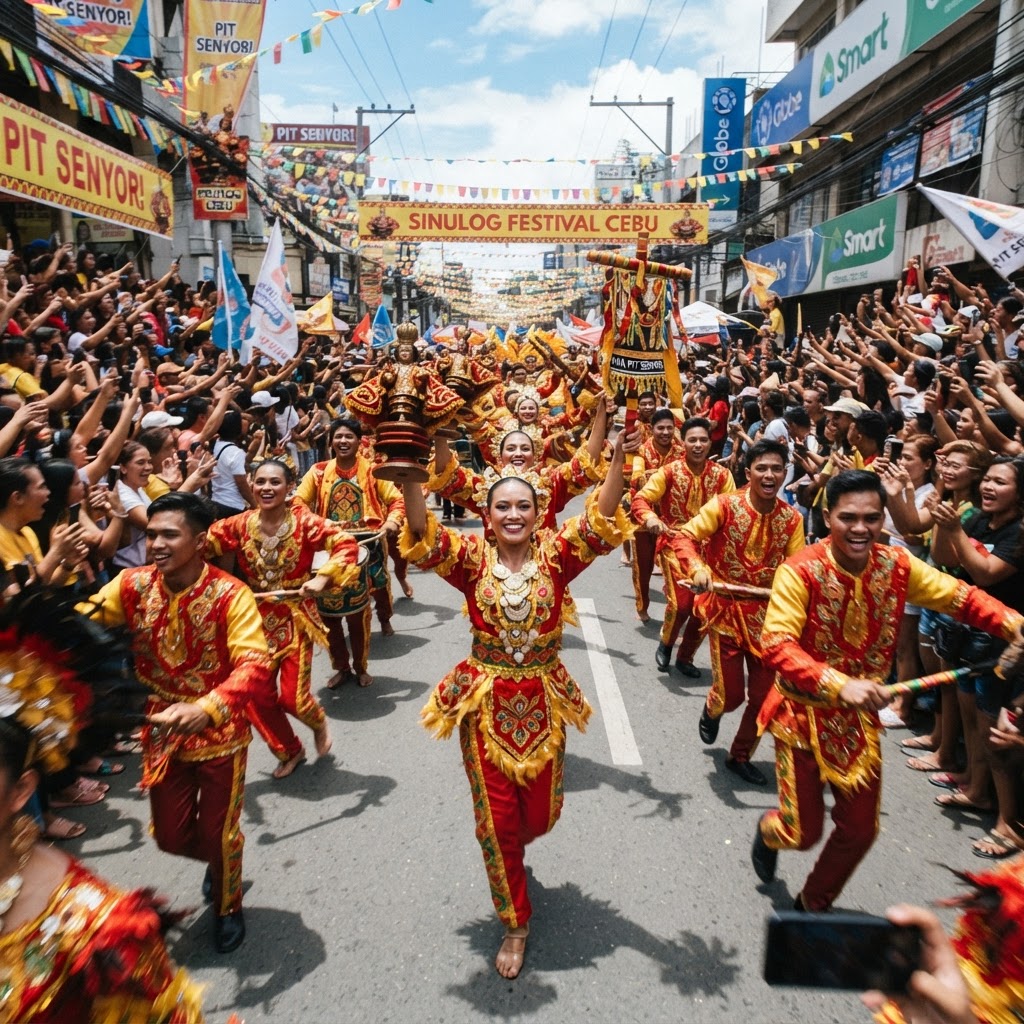
Cebu's Sinulog draws millions each January in honor of the Santo Niño, with street dancers moving to a two-step-forward, one-step-back rhythm meant to echo the river current. Kalibo's Ati-Atihan — older still — paints participants in soot and is often called the mother of Philippine festivals. Baguio's Panagbenga fills February with flowers instead of saints.
Each has its own rhythm, costume and devotion, but they share one truth: they are participatory. The audience is the parade.
More than a party
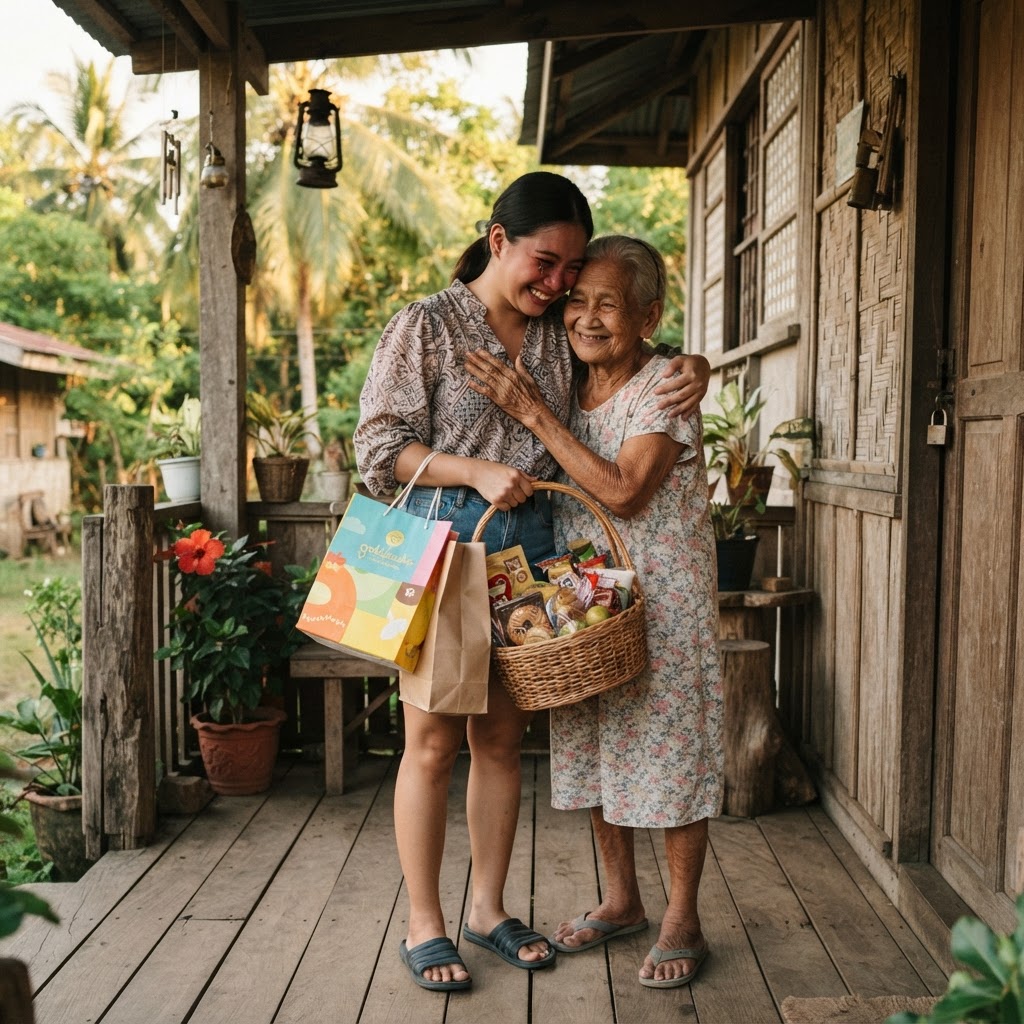
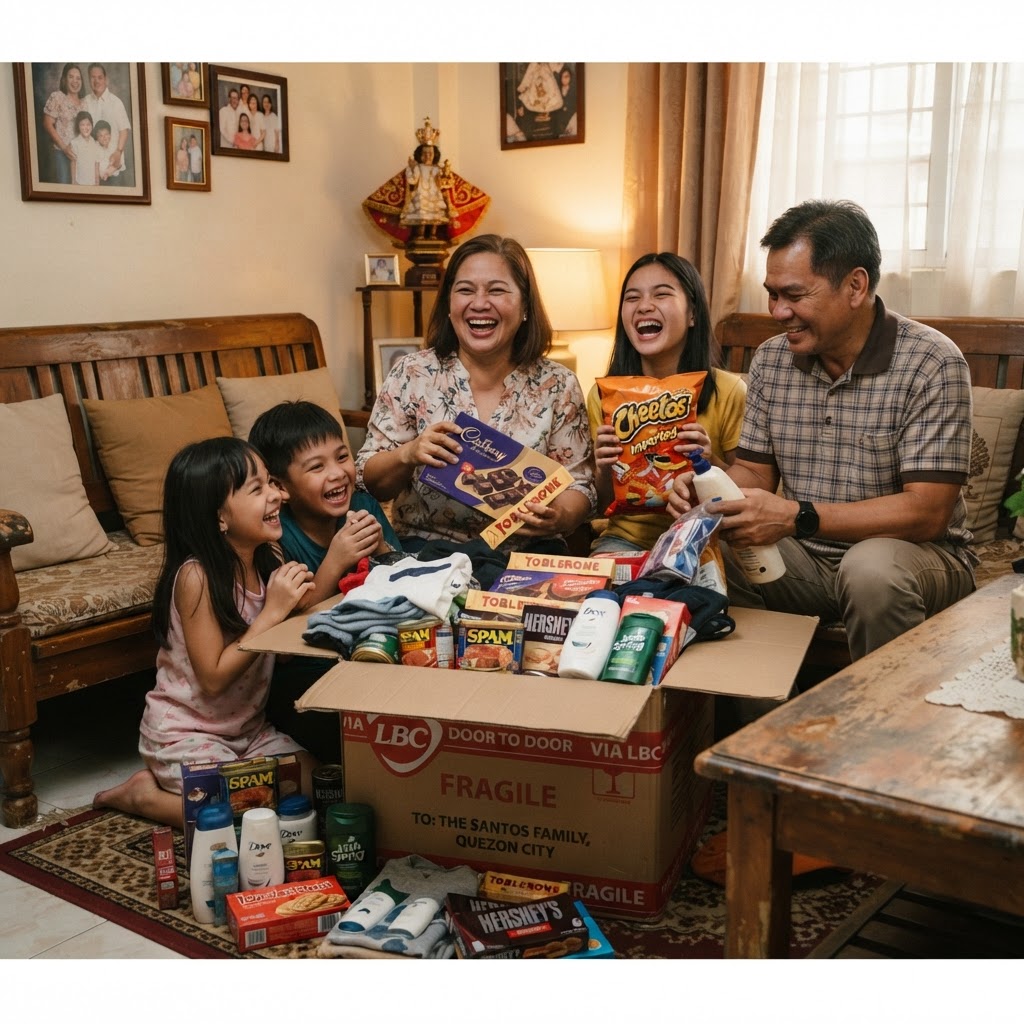
Fiesta week is the family reunion of the year. Balikbayans time their annual trips to it; OFWs take leave and fly home; houses that rarely see each other fill with cousins. The feast on the table — lechon, pancit, lumpia, rice by the sack — is paid for by rotating hosts who save for months.
Underneath the devotional purpose is a social one: the fiesta is how a town checks in with all of itself at once.
Visiting during fiesta season
Travelers are welcome in fiesta season — usually more than welcome. Guest tables fill with strangers, and it is normal to be fed by a family you met an hour ago. January alone offers Sinulog, Ati-Atihan and the Dinagyang festival in Iloilo within a few weeks.
Book early, expect loud nights, accept the food, and if you are in town on the feast day itself, watch for the processions at dawn — that is the fiesta at its most beautiful and most Filipino.