Gratitude in the Philippines is not a sentence — it is a lifelong bond, a gift at every arrival, and a debt of the inner self that families keep open on purpose.
A debt of the inner self
Utang na loob translates awkwardly as debt of the inner self — a gratitude so deep it is understood as a lifelong bond rather than a transaction. When someone helps raise you, pays for your schooling, or stands by your family, the obligation does not expire when the favor ends.
The concept runs both ways: it binds recipients, and it makes benefactors careful — because generosity here creates relationship, and relationships are serious business.
Pasalubong: never arrive empty-handed
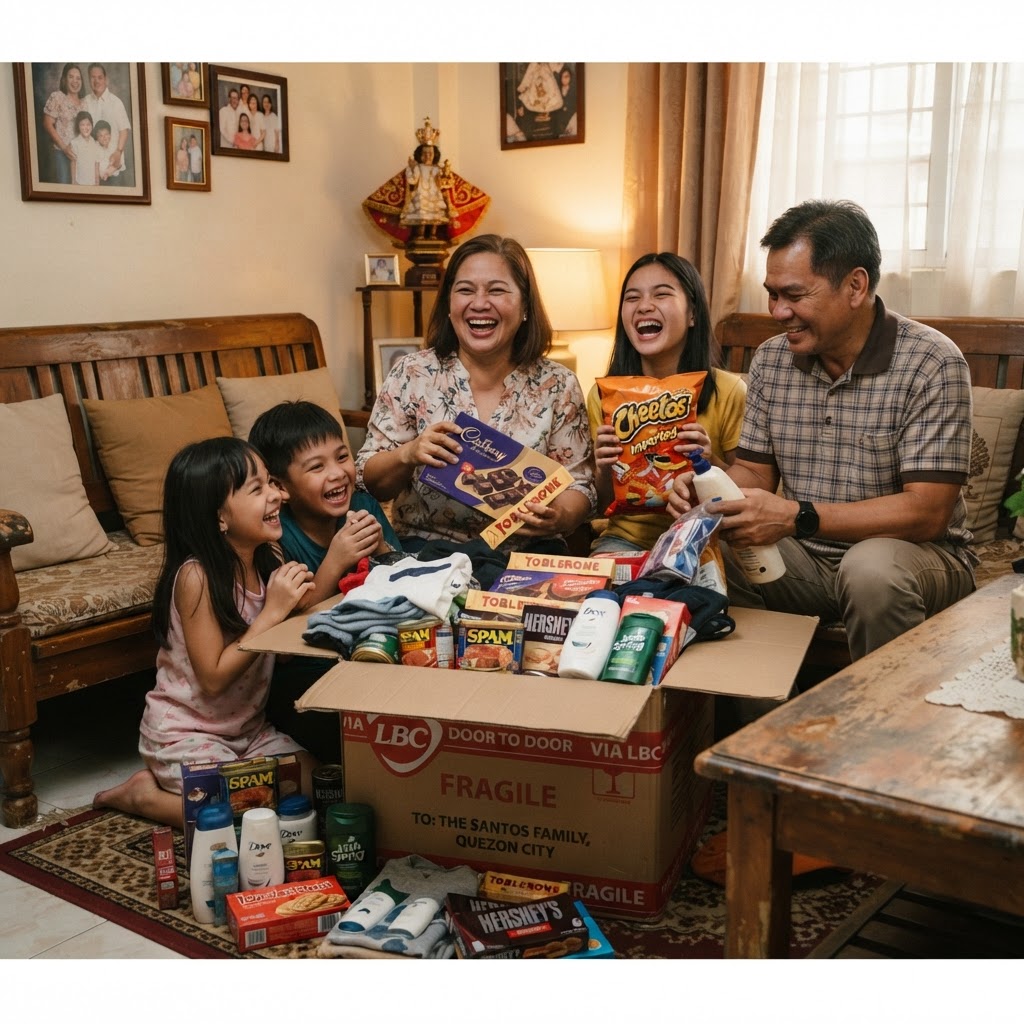
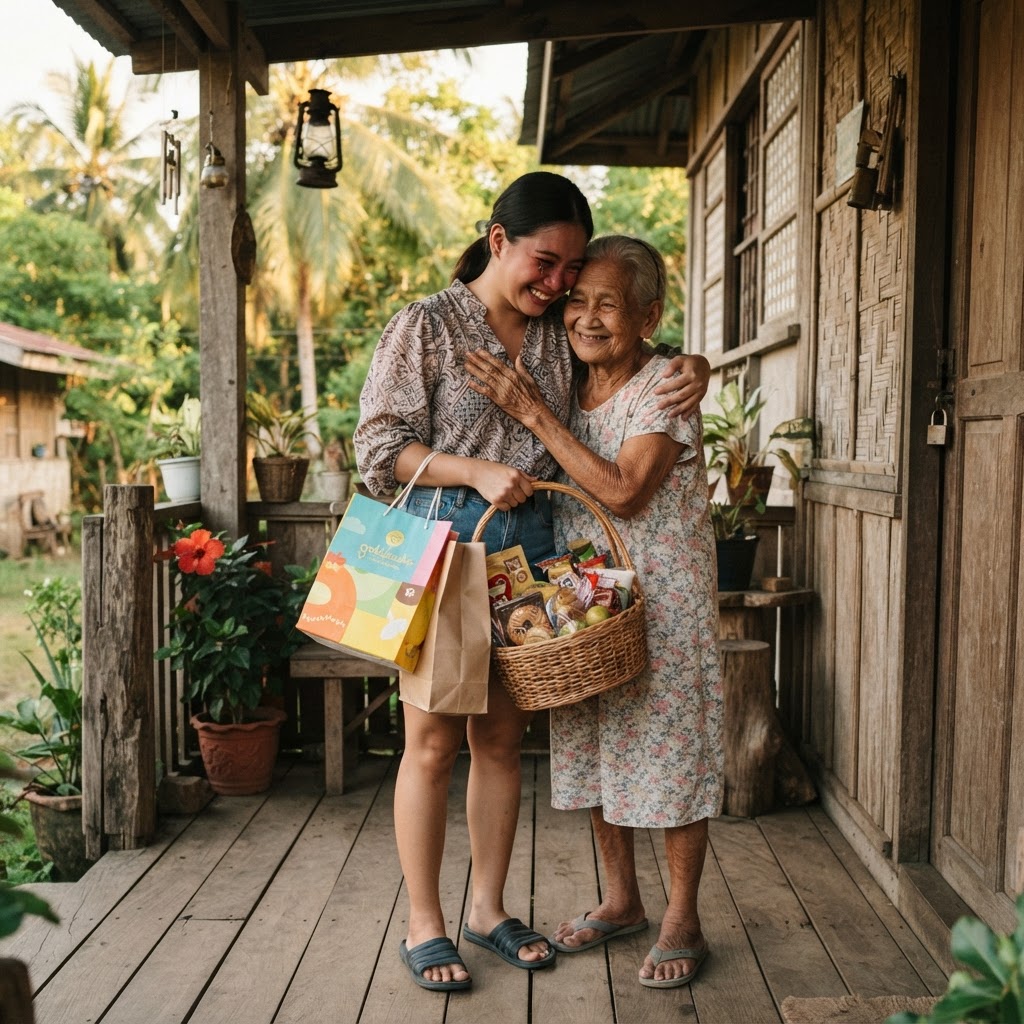
Pasalubong is the gift you bring when you arrive — from a trip, from the city, from abroad, from the corner bakery. A Filipino returning from anywhere is expected to produce pasalubong: dried mangoes, pastillas, a keychain, shirts from Dubai.
It is gratitude in its most casual form, a small tax on travel that everyone pays happily, and the reason Philippine airports have the most candy per square meter on earth.
The small rituals that hold families together
The customs scale up. Working children send money for parents' medicine and siblings' tuition without being asked; eldest siblings are expected to lift the youngest; success is measured in who else got carried. The phrase walang iwanan — no one gets left behind — is the family version of bayanihan.
Outsiders sometimes read this as obligation; Filipinos usually read it as love with a ledger. Both are a little right.
What it means for visitors
For travelers, the practical lessons are pleasant: bring small pasalubong when you stay in someone's home; expect gifts when you return; say thank you with your calendar, not just your mouth. If a Filipino family invites you to a birthday three hours away, going is the thank-you.
You will find, as most visitors do, that the debt you feel afterward is the pleasant kind — the kind that makes you want to come back.