The Filipino People, Culture & History

The Filipino People, Culture & History

Behind every island is a people — meet the traditions, stories and spirit that make the Philippines unforgettable.

The PeopleThe warmest welcome in Asia

Ask any visitor what they remember most about the Philippines and the answer is rarely a beach — it's the people.

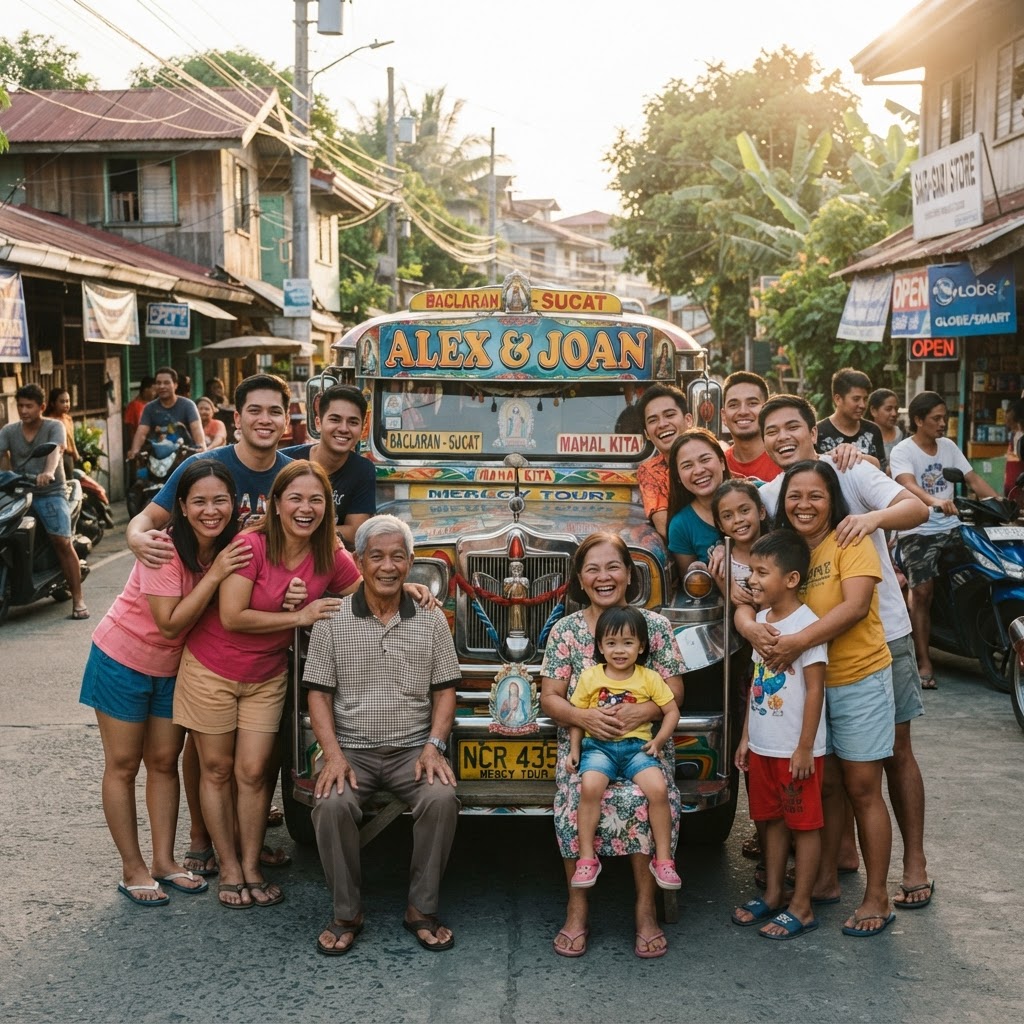
Filipino family and neighbors by a jeepney

A nation built on connection

More than 115 million Filipinos share the islands — Tagalog, Cebuano, Ilocano, Hiligaynon, Waray and many more communities, each with its own language, food and festival, yet bound together by one culture of warmth.

Millions more Filipinos work overseas — from cruise ships to hospitals to construction sites — sending home stories of the places they've been and bringing the world's curiosity back to their barangays.

That spirit has a name: bayanihan — neighbors lifting a whole house together, and strangers treated like family. It's why "kain tayo" ("let's eat") is offered to anyone nearby, whether they're expected at the table or not.
115M+
Filipinos across 7,600+ islands
10M+
Overseas Filipinos working worldwide
8
Major ethnolinguistic groups
1
Shared spirit of bayanihan
Culture & TraditionsEast meets West, on Filipino terms

Filipino culture blends indigenous Malay roots, centuries of Spanish and American influence, and Chinese trade ties — into something unmistakably its own.

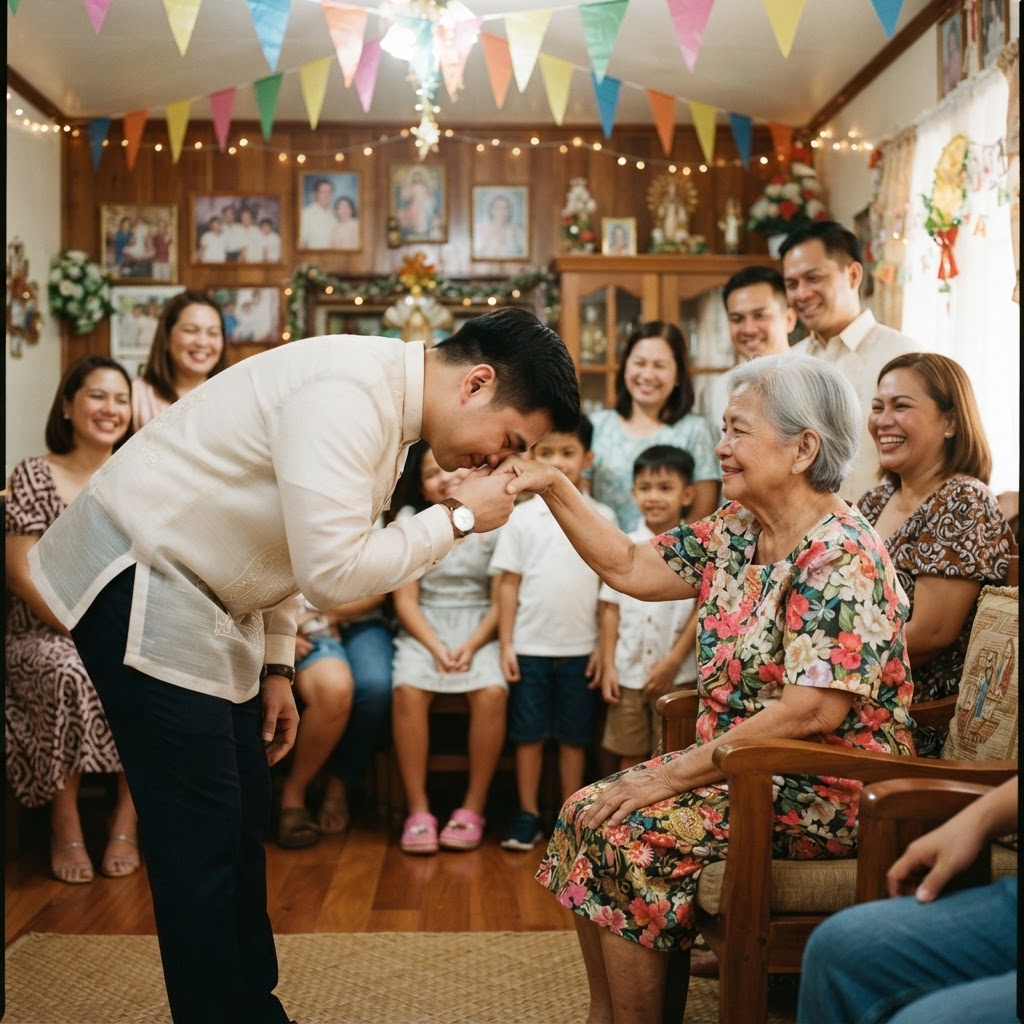
Mano po — a young Filipino taking an elder's hand in respect
Respect, lived daily

Mano po & the culture of respect

A young person bows to press an elder's hand to their forehead — "mano po" — a gesture of respect repeated in every Filipino home. Add "po" and "opo" to any sentence and you hear it in language too: courtesy is grammar here, not politeness.

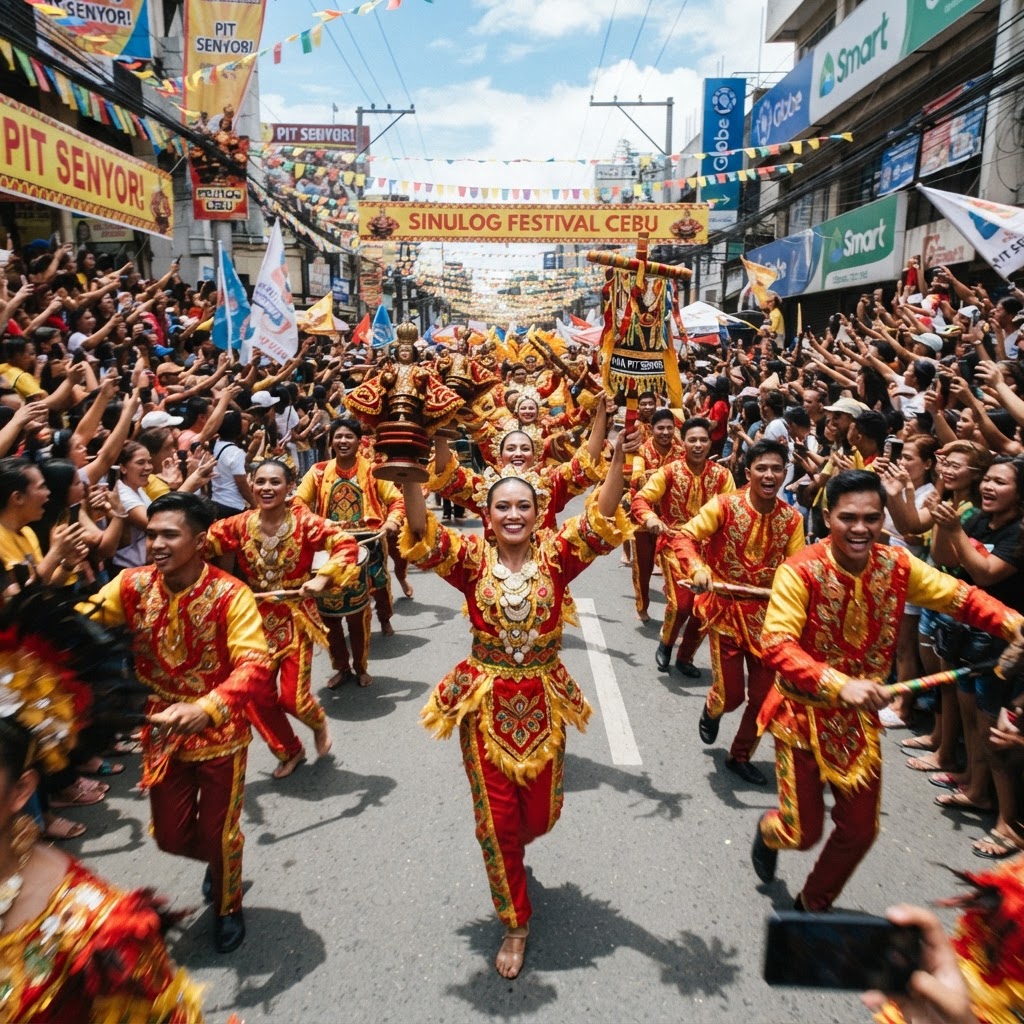
Sinulog festival street dancers in Cebu
Fiestas

A fiesta for every town

Over 42,000 barangay fiestas a year — honoring patron saints with street dancing, banderitas and community feasts that last for days.

Jeepney on a Manila street
Everyday icons

The jeepney

Built from WWII jeeps and repainted in blazing colors, the jeepney is the Philippines' rolling folk art — the king of the road since 1945.

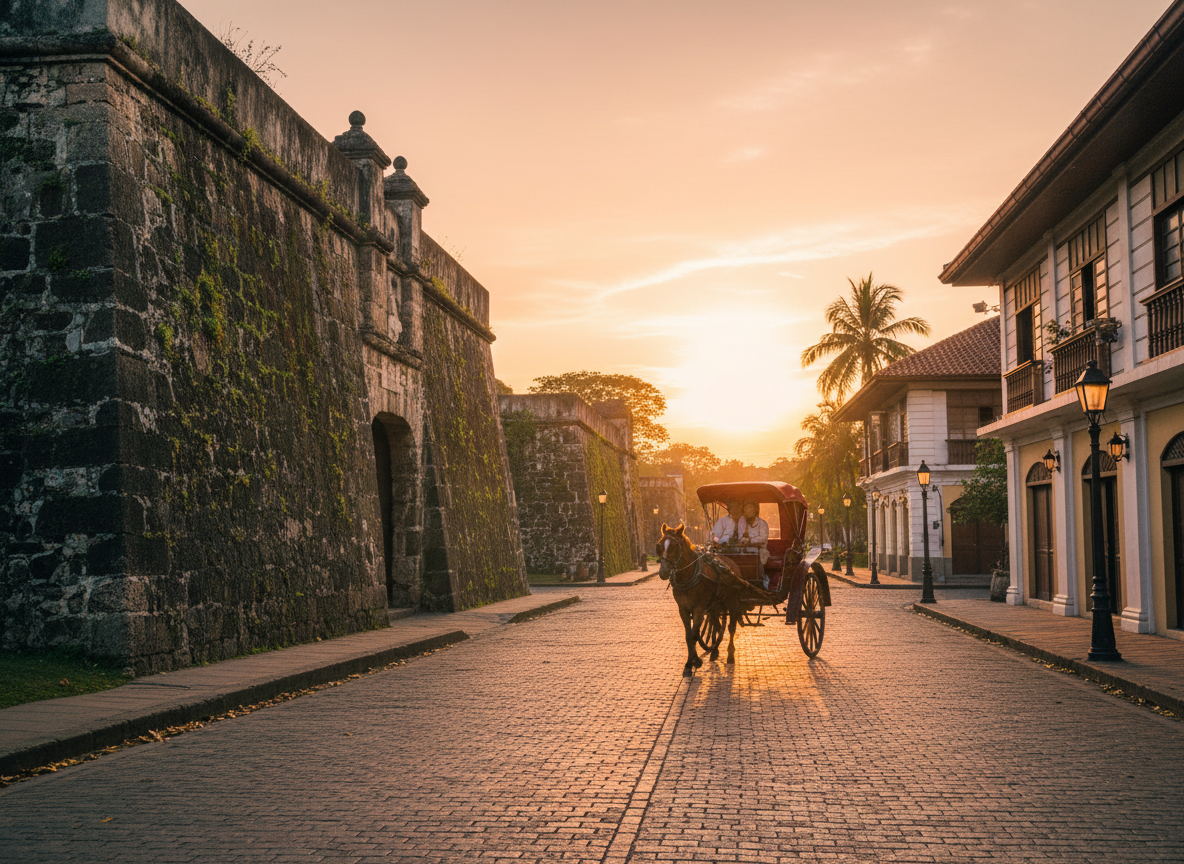
Intramuros heritage walls in Manila
Heritage

Living heritage

Centuries-old churches, Vigan's cobblestone lanes and Intramuros' walls keep Spanish-colonial history alive in daily Filipino life.

History500 years of dramatic change

The Philippines' story runs from Austronesian sailboats to a modern republic — every era left its mark on the culture you'll meet today.

1
Before 1521

The seafaring kingdoms

Austronesian voyagers settle the islands thousands of years before Europe arrives, organizing into barangay communities and trading with China, Arabia and the Malay world.

2
1521 – 1898

The Spanish era

Magellan lands in Cebu; 333 years of Spanish rule follow — Christianity spreads across the archipelago, Intramuros rises, and the galleon trade links Asia to the Americas.

3
1896 – 1898

Revolution and first republic

José Rizal's writings ignite a independence movement, and on June 12, 1898 the Philippines declares independence in Kawit — Asia's first constitutional republic.

4
1898 – 1946

America, war and independence

American rule brings English and public schooling; the islands endure Japanese occupation in WWII, and on July 4, 1946 the Philippines gains full independence.

5
1946 – today

The modern Philippines

A young democracy of 115 million, one of Asia's fastest-growing economies and a culture now exported worldwide — from OPM music to Filipino food and the global diaspora.

Languages & FaithMany tongues, shared beliefs

The Philippines speaks in hundreds of languages and prays in many ways — diversity you'll hear from province to province.

Two official languages

Filipino (based on Tagalog) and English are both official — you can travel the whole country speaking English.

175+ living languages

Cebuano, Ilocano, Hiligaynon, Waray, Kapampangan and more — often two or three spoken in a single family.

Predominantly Catholic

Around 80% of Filipinos are Roman Catholic — Asia's largest Catholic nation, with faith woven into daily life and fiestas.

Muslim Mindanao

Islam reached the islands before Spain did; Mindanao's Muslim communities, mosques and kulintang music shape the south's distinct character.

Indigenous traditions

Ancestral beliefs, healing practices and nature spirits still live alongside newer faiths, especially in the highlands.

Words you'll hear everywhere

Salamat (thank you), kumusta (how are you?), kain tayo (let's eat) — learn three phrases and doors open everywhere.

Arts & ExpressionHow Filipinos tell their story

Music, weaving, film and dance carry Filipino stories from ancient chants to the world's streaming playlists.

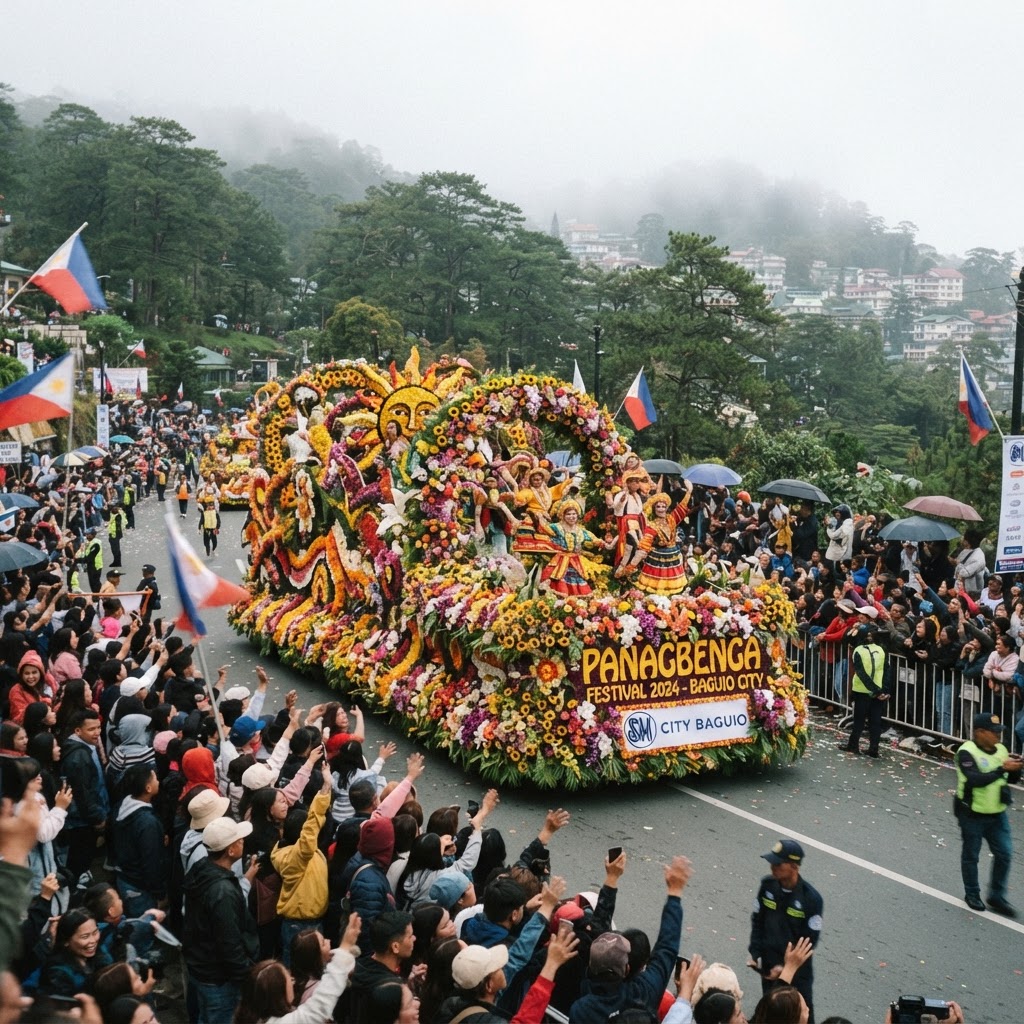
Panagbenga festival parade in Baguio
Music & dance

Kundiman to OPM

From the haunting love songs of the kundiman to today's Original Pilipino Music, Filipinos sing everywhere — karaoke is practically a national sport.

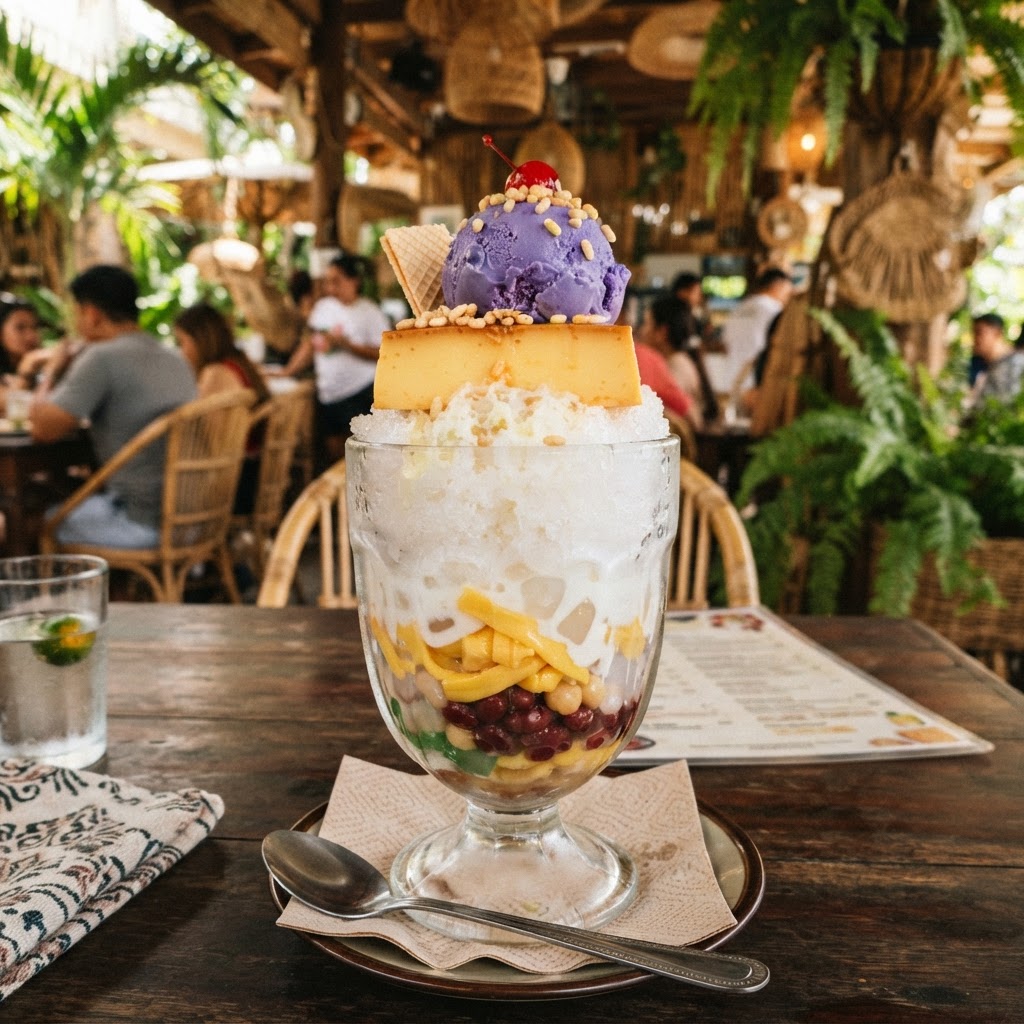
Halo-halo dessert
Craft & design

Weaving, wood & shells

T'nalak textiles from lake Sebu, Ifugao baskets, capiz-shell lamps — regional crafts carry centuries of pattern and story.

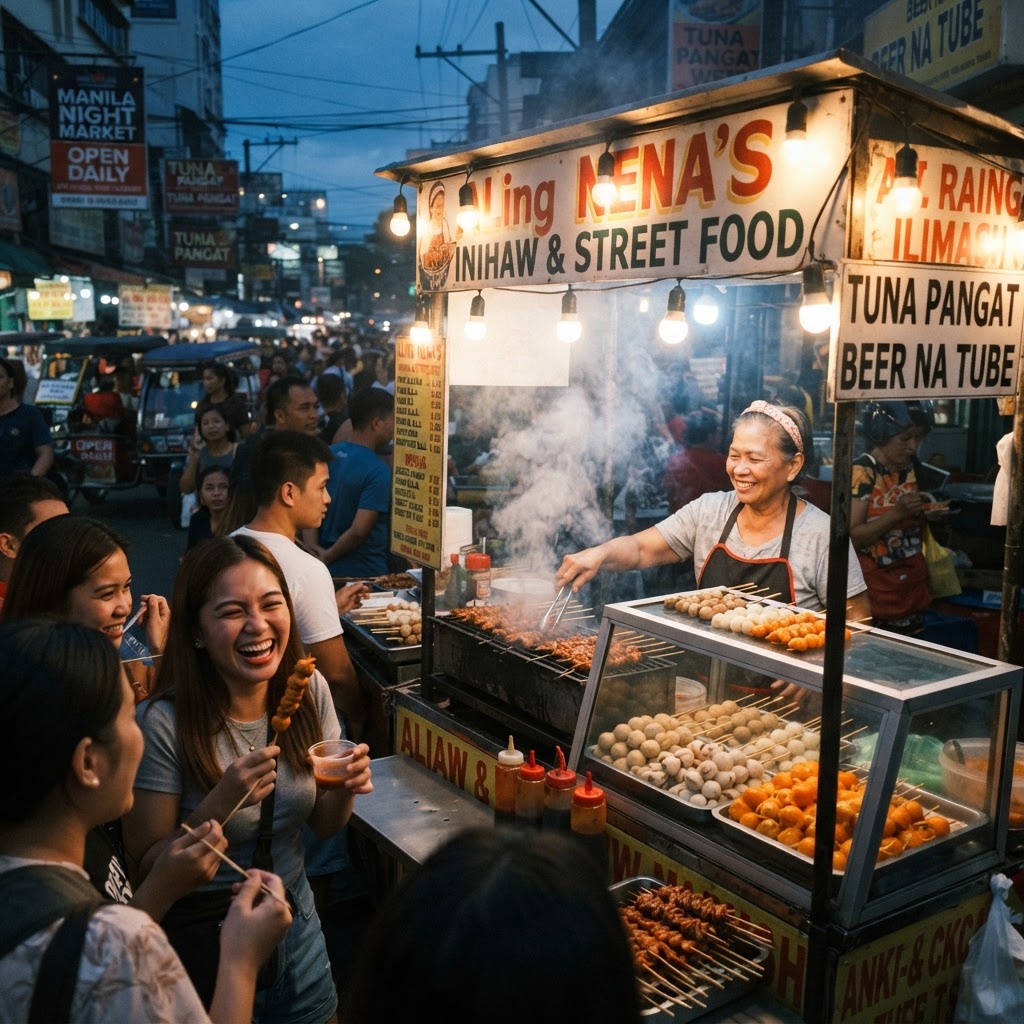
Bustling Manila night market
Screen & stage

Cinema & pop culture

The Philippines has made films for over a century, and its telenovelas and movie stars are followed across Southeast Asia.

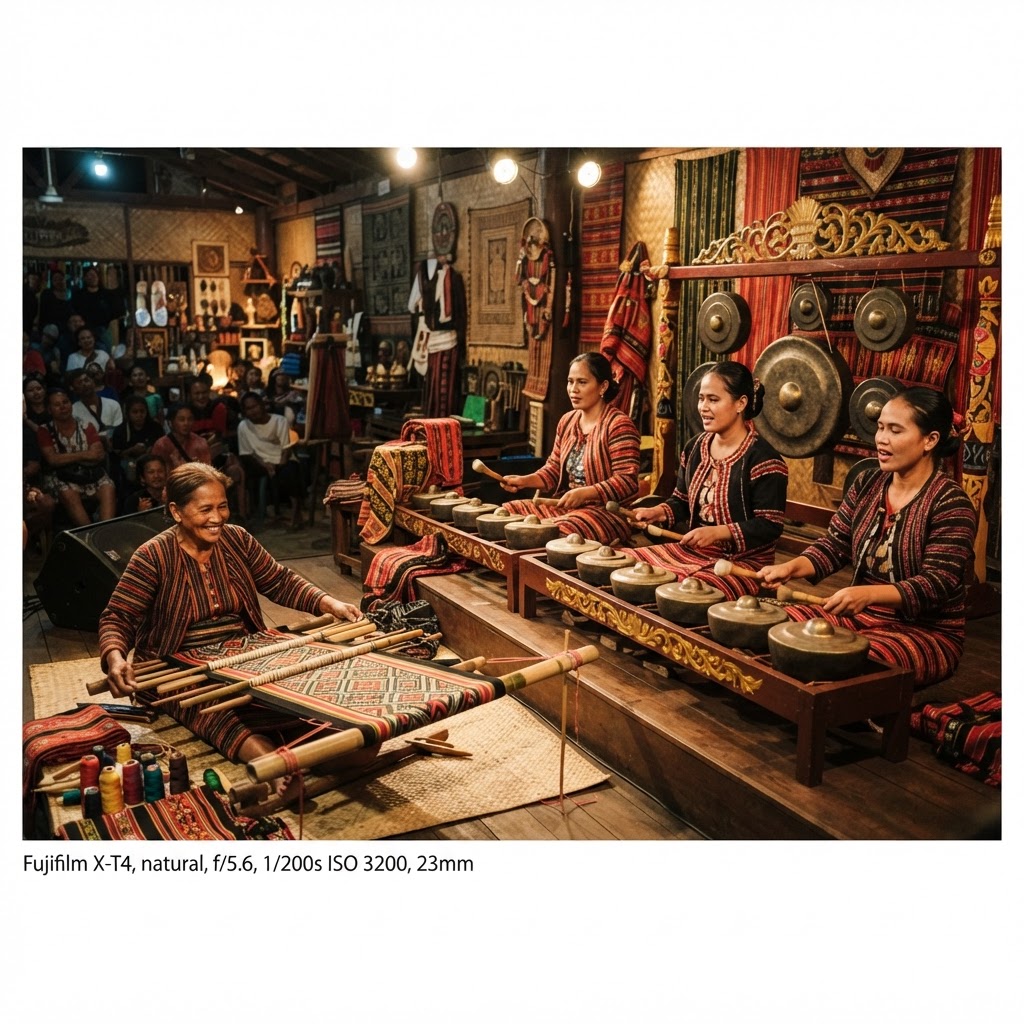
Kulintang musicians and a traditional weaver at work
Living traditions

The gongs and the loom

In Mindanao's south, kulintang gong ensembles still score weddings and festivals, while weavers in Lake Sebu tie-dye abacá fibers into t'nalak patterns they dream before they weave — both recognized as national living treasures.

Ready to meet the islands themselves?

Now that you know the people, explore the places they call home.

Browse destinations