Vigan's cobblestones, Intramuros' walls and centuries-old fortress churches — Spanish-colonial history is not behind glass in the Philippines. People still live in it.
Vigan's cobblestones
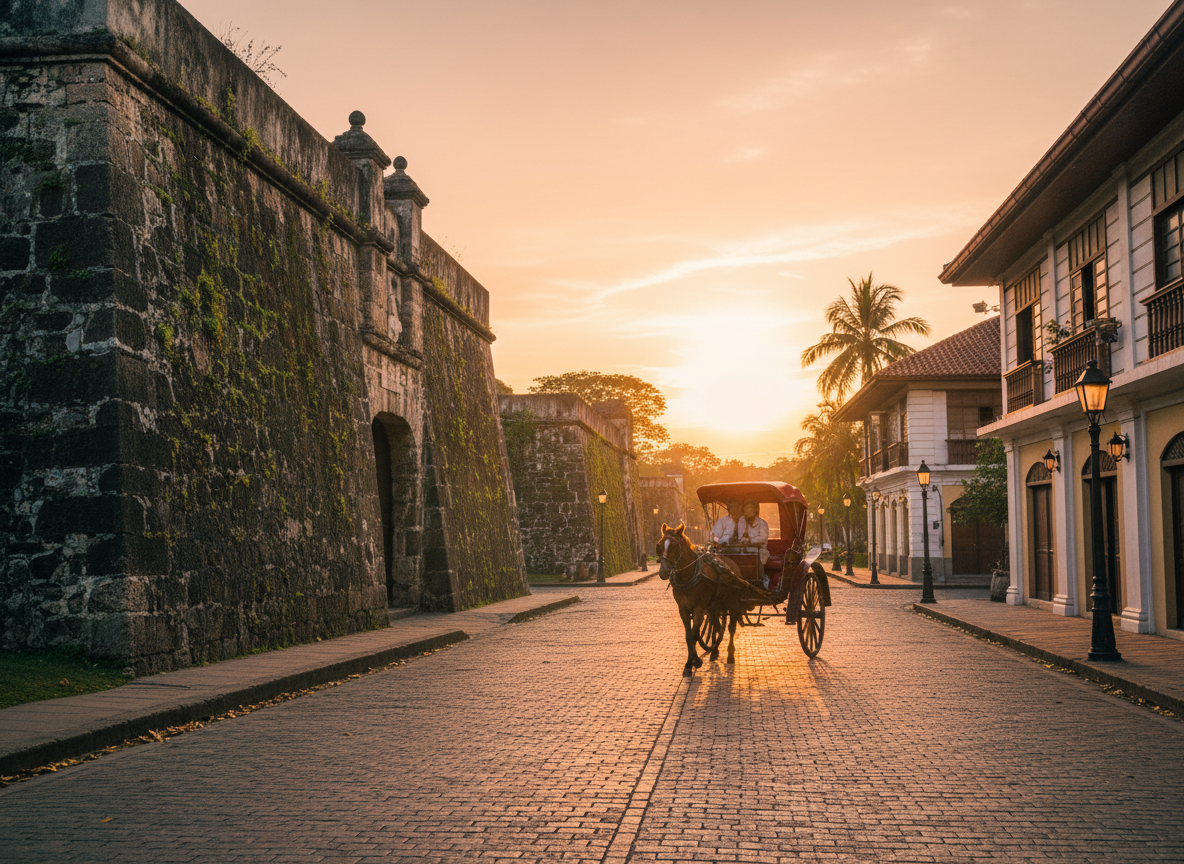
Vigan in Ilocos Sur is the best-preserved Spanish colonial town in Asia, its Calle Crisologo still cobbled, still lined with the mansions of 18th-century merchants, still patrolled by horse-drawn calesas. UNESCO inscribed it in 1999, but its real achievement is ordinariness: people live, trade and worship here.
Come at dusk, when lanterns come on and the crowd thins, and the street feels less like a heritage site than a film set nobody turned off.
Intramuros, the walled city
Manila's old core was a fortress city within walls, built by the Spanish from 1571 onward and battered by wars since. Inside it survive San Agustin Church — the oldest stone church in the country, a UNESCO site on its own — plaza squares, and a grid of streets meant for carriages.
Kalesa rides, bamboo-bike tours and calesa bells make it tourist-friendly, but it remains a working quarter of the capital, its walls holding universities, government offices and everyday Manila traffic at arm's length.
Churches that survived centuries
The Spanish built their churches like fortresses, because in the earthquake belt of the Pacific they had to be. The result is a distinct Philippine baroque: massive buttresses, thick stone, facades that look like fortifications — at Paoay in Ilocos Norte, Miag-ao in Iloilo, San Agustin in Manila. Four are UNESCO World Heritage sites.
Each has survived earthquakes, typhoons and wars, and each is still an active parish — weddings still spill out onto the plazas.
Heritage as daily life
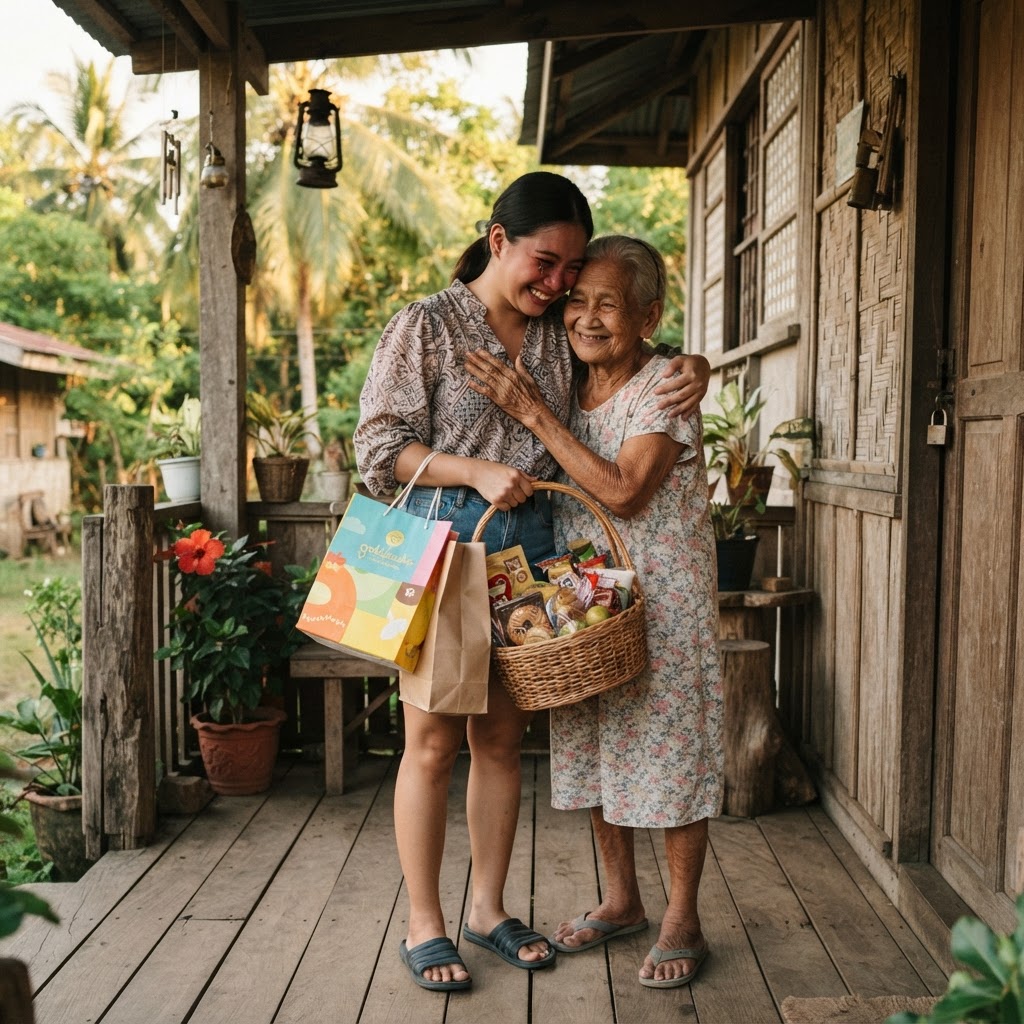
What makes Philippine heritage remarkable is not preservation but use. Grandmothers attend Mass in 400-year-old churches, students study inside Intramuros' walls, jar makers in Vigan still throw burnay pots in kilns their great-grandfathers built.
The lesson for visitors is to treat these places as what they are: not museums, but the stage on which the country has been living for four centuries. Be quiet inside churches, tip the calesa drivers, and look up — the details are at roofline level.