Manila landscape
Metro Manila, National Capital Region · Philippines

Manila

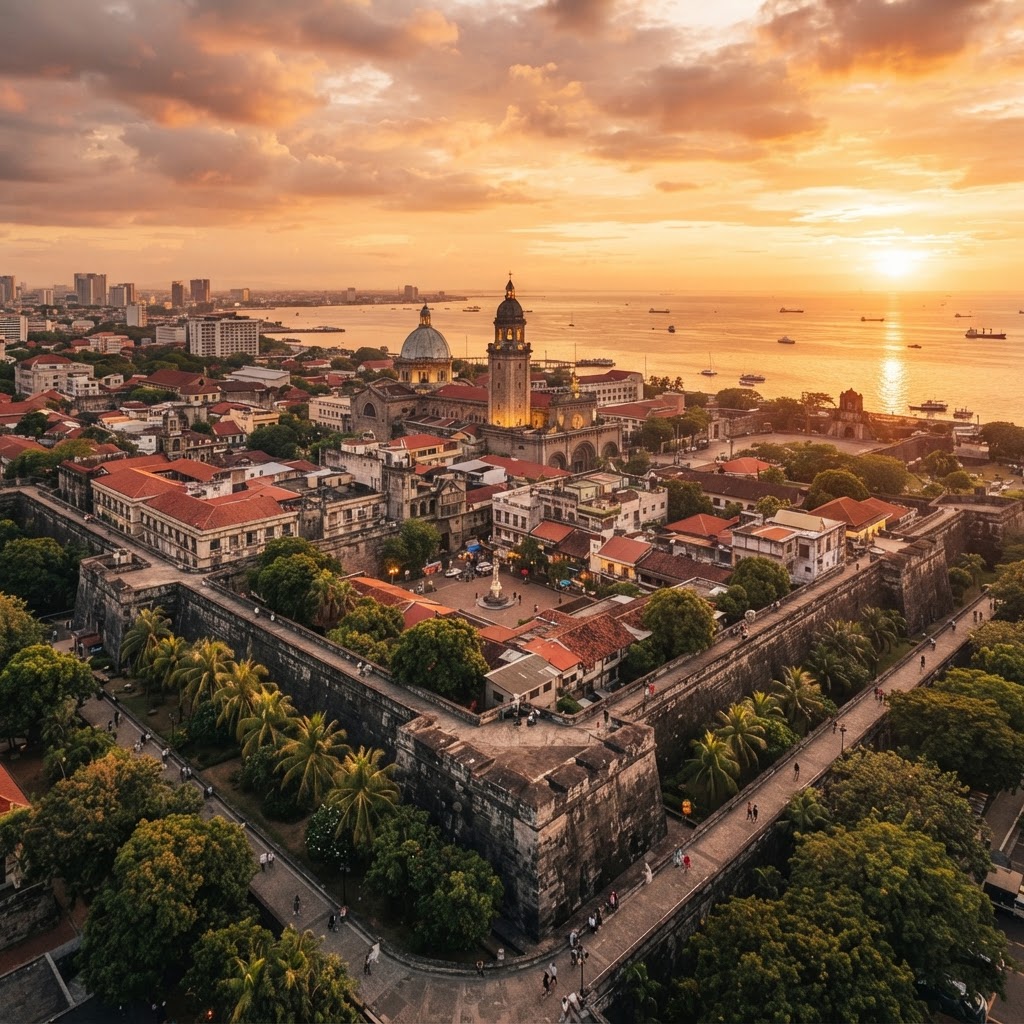
The Philippines' principal gateway — Intramuros, Binondo, and Rizal Park in the City of Manila, ringed by the modern cities of the wider Metro Manila metropolis.

About Manila

A walled city at the heart of a great metropolis

Manila is the capital of the Philippines and the country's principal gateway — the place where most international journeys into the archipelago begin. The name belongs, strictly, to the City of Manila: one of the cities that make up Metro Manila, the National Capital Region. In everyday travel talk, however, people use "Manila" for the whole metropolis, so this guide uses the word both ways — always telling you which Manila we mean.

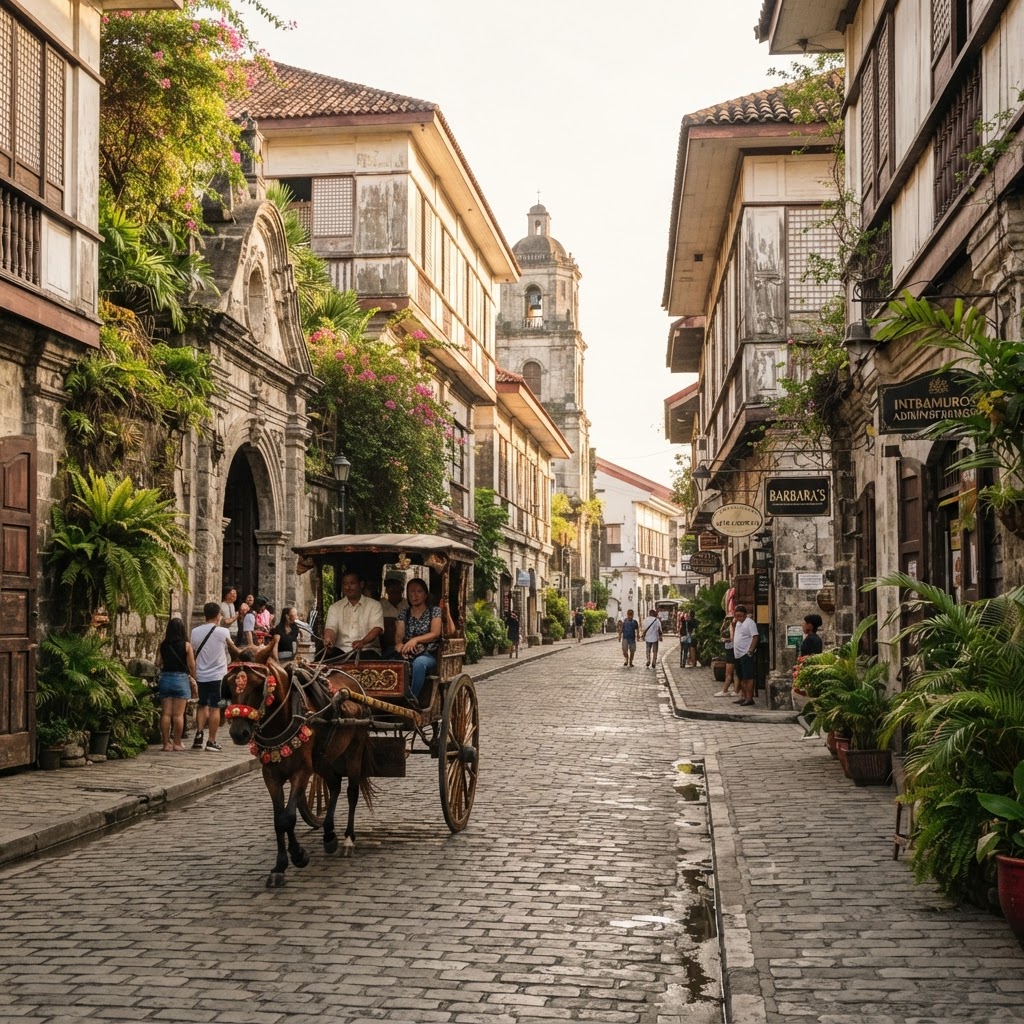
The City of Manila carries the deepest history. Its walled core, Intramuros, was built during the Spanish colonial period, and the centuries that followed layered American colonial administration, revolution, and war into the same streets. José Rizal, the national hero, was executed at the site of today's Rizal Park in 1896. Much of the city was destroyed in the Battle of Manila at the close of World War II, and postwar Manila was rebuilt into the dense, working capital it is now — a city whose heritage is real and layered, not a single preserved colonial era. Binondo, established in the Spanish era as a settlement for Chinese immigrants, and the National Museum complex carry that history into the present.

The wider metropolis is where most visitors actually sleep, eat, and shop. Metro Manila is a set of separate cities — Makati and Taguig (home of Bonifacio Global City), Pasay, Quezon City, and others — and each has its own character: Makati's business towers and dining, BGC's planned modern streets, Quezon City's government, universities, and food scenes. Choosing a base across the metropolis is a genuine planning decision, and this guide treats it that way rather than pretending every area sits inside the City of Manila.

Practically, Manila rewards unhurried planning: walk the historic core, ride the rail lines where they help, budget time generously for traffic, and treat the capital as both a destination in itself and the hub from which island journeys across the Philippines continue.
Places & Experiences

Highlights of Manila

Intramuros, the Walled City

Intramuros, the Walled City

The walled heart of the City of Manila — a Spanish-era fortified town of stone walls and gates. Centuries of colonial heritage sit alongside memorials of the 1945 Battle of Manila; galleries, churches, and walks keep the district's layered history alive.

Rizal Park and the National Museum Complex

Rizal Park and the National Museum Complex

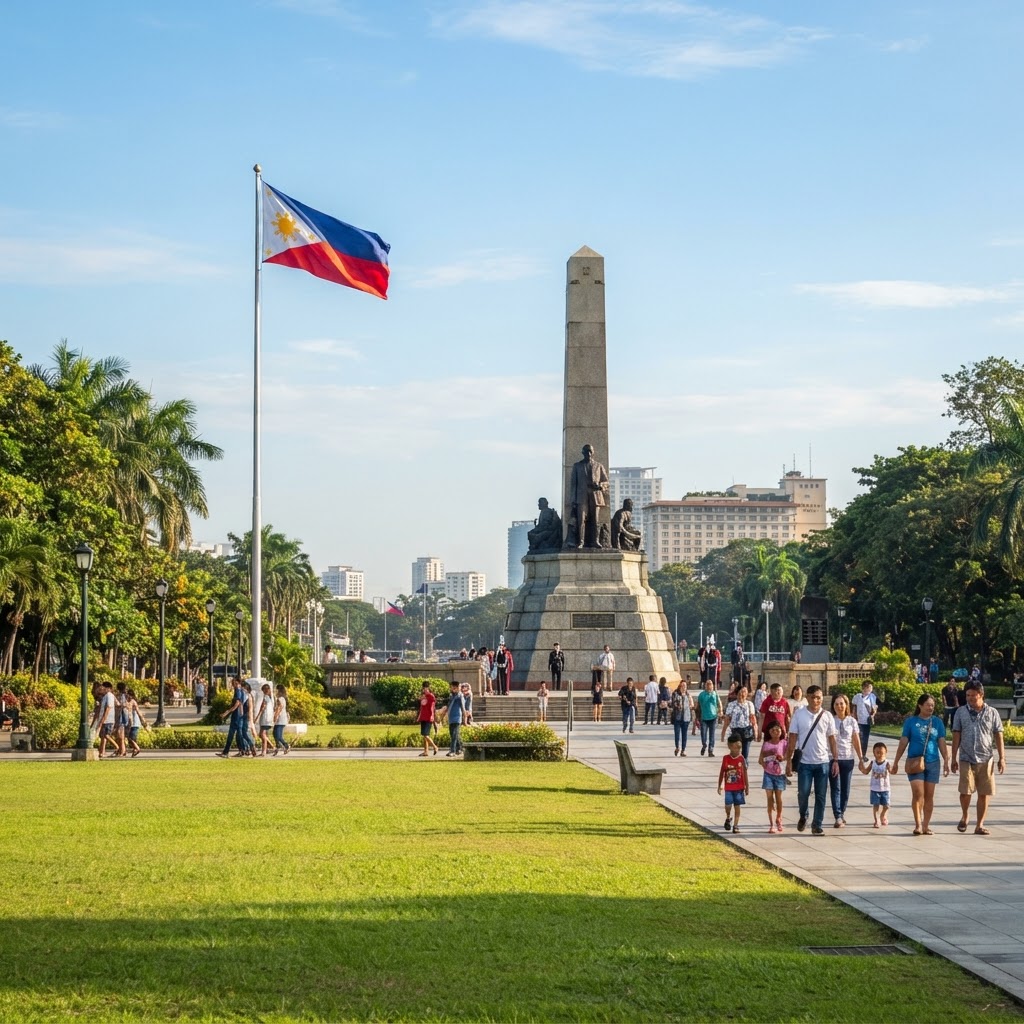
In the City of Manila: the Rizal Monument anchors the park where José Rizal was executed in 1896, and the nearby National Museum buildings hold the country's principal cultural and scientific collections.

Binondo

Binondo

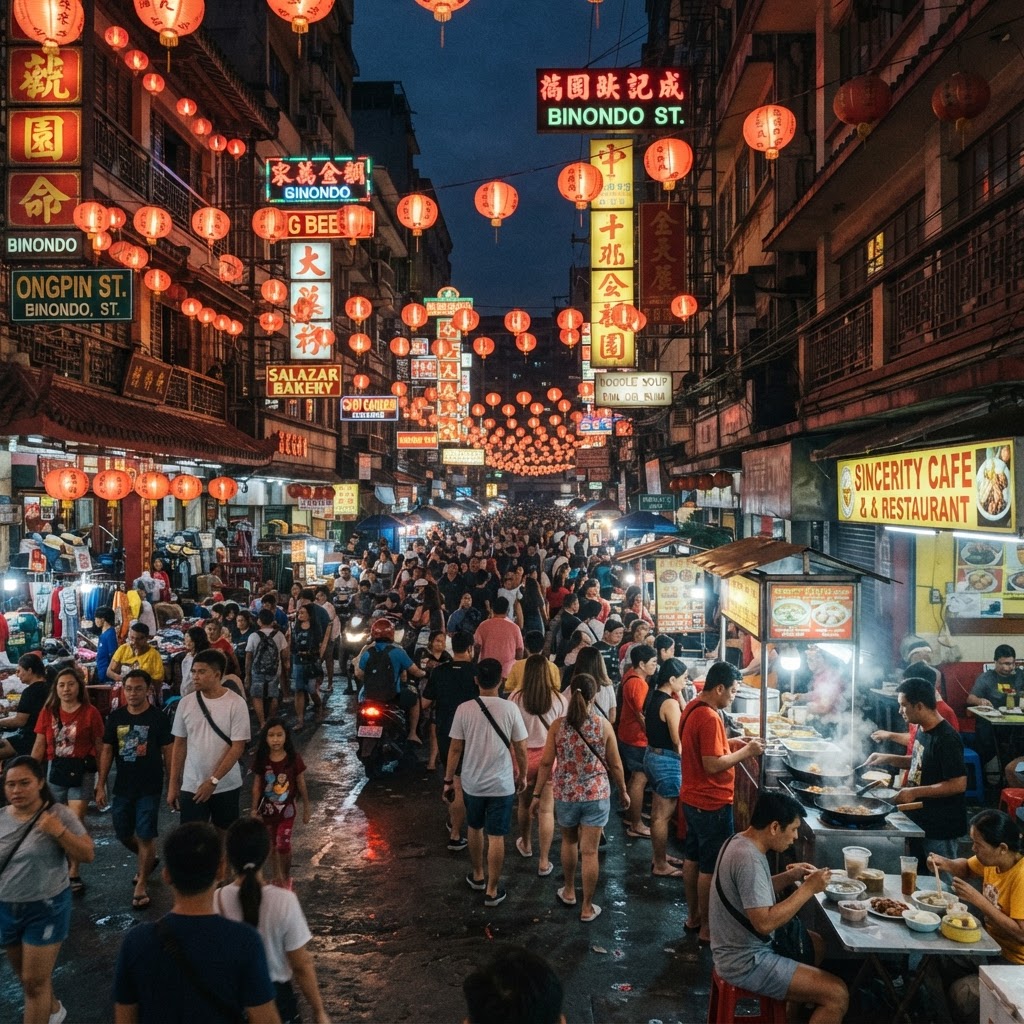
A City of Manila district established in the Spanish colonial era as a settlement for Chinese immigrants, and a celebrated food destination today — old streets, family eateries, and the continuous street life of a working commercial quarter.

Manila Bay and the Baywalk

Manila Bay and the Baywalk

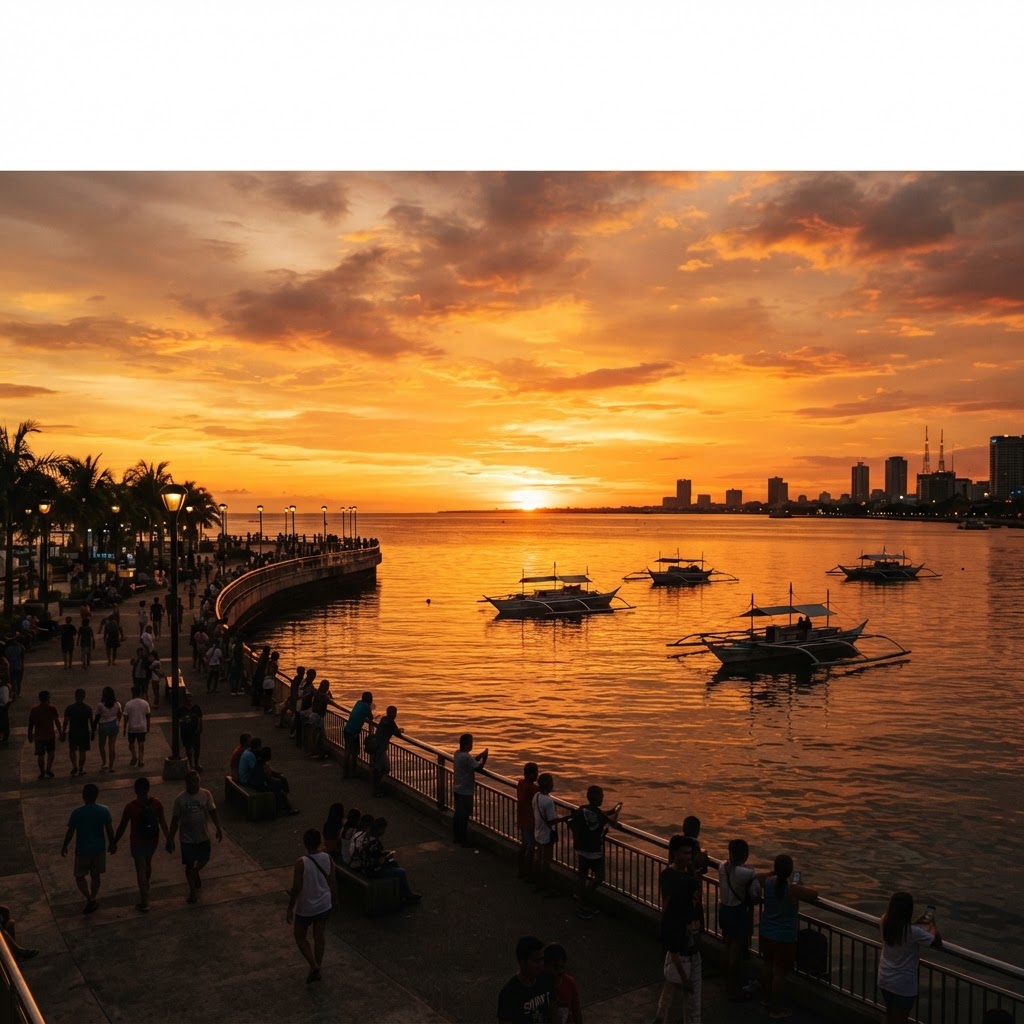
The City of Manila opens onto a wide, shallow bay, and the long seaside promenade is a classic evening gathering place — the waterfront is a defining feature of the city and a useful orientation line for visitors.

Modern Metro Manila: Makati and BGC

Modern Metro Manila: Makati and BGC

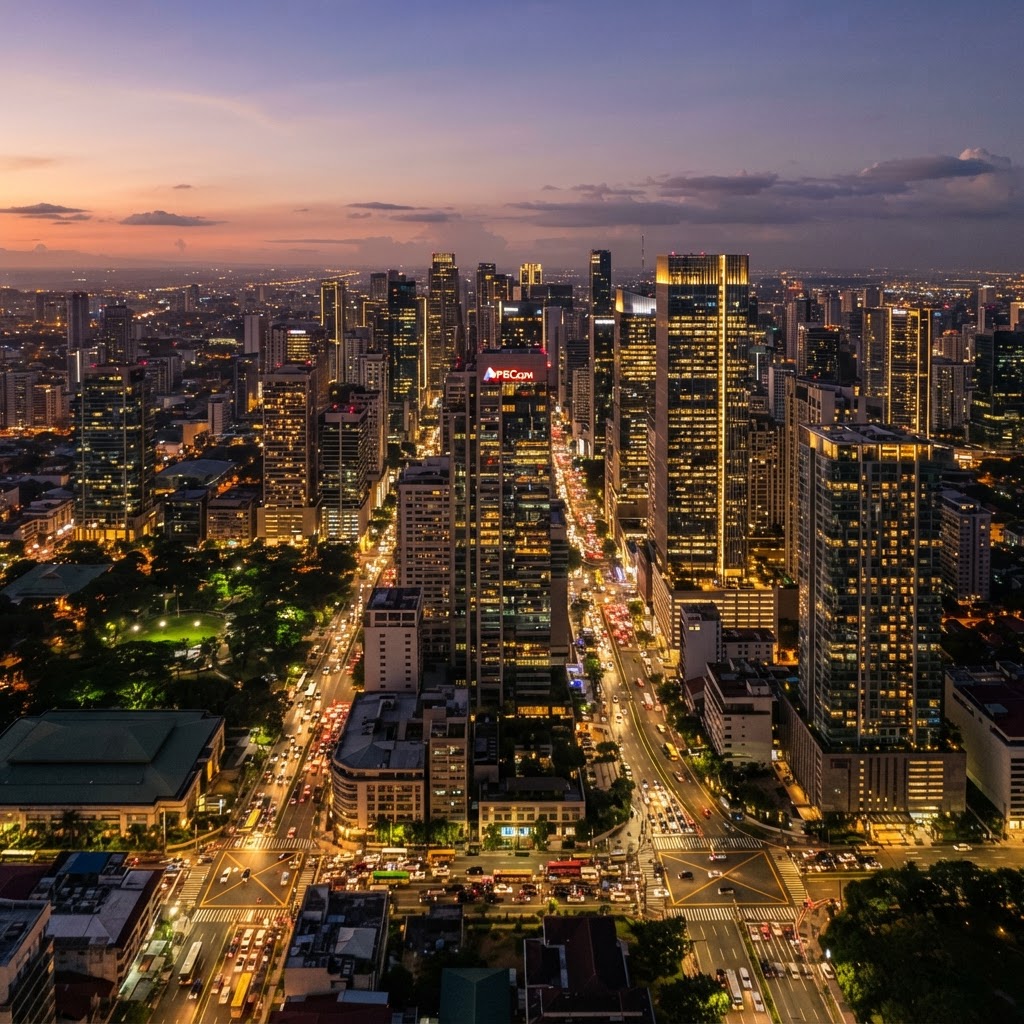
The metropolis is more than its historic core: Makati's central business district and Bonifacio Global City in Taguig — both separate cities within Metro Manila — carry the modern side of the capital in towers, malls, galleries, and dining.

Travel Planning

Plan your Manila journey

Getting There

  • Manila is the Philippines' principal international and domestic gateway. The main airport, Ninoy Aquino International Airport (NAIA), sits in the Metro Manila cities of Pasay and Parañaque — not inside the City of Manila — and terminal arrangements, airline assignments, and airport procedures change over time, so validate current terminal and transfer information with your carrier before you fly.
  • As the national hub, Manila also connects onward: domestic flights from the metropolis reach island destinations across the archipelago, and long-distance bus terminals across Metro Manila link the capital to provinces by land. Current routes, schedules, and availability change — confirm directly with carriers and operators.
  • Plan the arrival-to-base leg deliberately: whether you land at NAIA or arrive by bus, the transfer to your accommodation is a separate arrangement. Journey time across the metropolis varies enormously with distance, traffic, and time of day — no transfer time can be guaranteed, so allow generous buffers, especially around flight departures.
  • Arrange onward travel from Manila in advance where possible: airport transfers, hotel pickups, and tour departures usually need separate booking, and availability varies with season and demand.

Best Time to Visit

Manila is a year-round city and the country's main gateway, so timing is usually led by your itinerary rather than the capital itself. Broadly, the drier stretch of the tropical year falls around November to April, while the wet season with a higher chance of typhoons falls roughly from May to October — conditions vary year to year and no month guarantees particular weather, so check current advisories when you plan and around the dates you fly. The metropolis is busy throughout the year; Philippine holidays, Holy Week, and the December holiday season bring sharp peaks in crowds and traffic, which matters more for comfort than for access.

Travel Tips

  • Know which Manila you mean: Intramuros, Rizal Park, Binondo, and the baywalk are in the City of Manila; Makati, Bonifacio Global City (Taguig), Pasay, and Quezon City are separate cities within Metro Manila — the distinction matters when booking accommodation and planning routes.
  • Traffic is a planning reality: journey times across the metropolis vary substantially with distance, time of day, weather, and events — build generous buffers into every move, especially around flights.
  • Getting around combines modes: elevated and light rail lines cover key Metro Manila corridors, while jeepneys, buses, taxis, and ride-hailing reach everywhere else. Fares, operating hours, and service availability change — confirm current arrangements locally.
  • Historic sites, churches, and museums set their own schedules, fees, and visitor rules, and these change over time — validate before visiting, and dress and behave respectfully at religious sites.
  • Day trips are separate journeys: Tagaytay sits in Cavite province outside Metro Manila, and Corregidor is reached across Manila Bay — plan them as excursions with their own transport and current-operation checks.
  • Typhoon-season weather (roughly May to October) can disrupt flights, land transport, and access — check official advisories when planning and before traveling.
  • Festivals, holidays, and major events sharply change traffic and crowds across the metropolis — confirm current dates when you choose your travel window.
  • Carry cash for small eateries and markets; larger malls and established businesses widely accept cards — arrangements vary, so be prepared either way.
Where to Stay

Find Places to Stay in Manila

Explore accommodation options across Manila and Metro Manila and confirm current availability directly with Trip.com.

We may earn a commission if you book through this link.

Getting There

Fly from Singapore to Manila

Explore flight options from Singapore to Manila and confirm current routes, schedules, and availability directly with Trip.com.

We may earn a commission if you book through this link.

Things to Do

Take a Day Trip to Tagaytay

Explore a Tagaytay day-trip experience from the Manila area and confirm the current itinerary, inclusions, schedule, departure details, and availability directly on Klook.

We may earn a commission if you book through this link.

Group & Organized Travel

Planning a group trip to Manila?

Organized travel in Manila takes coordination — island logistics, weather windows, and local arrangements. Tell our team what you have in mind and we'll help you put a workable plan together.

Talk to our team

We only recommend what's real — no invented packages, no invented prices.

Visit the Philippines

Discover paradise. Experience the natural beauty of breathtaking islands, the warmth of our welcoming people, and rich culture that will captivate your heart.

Get in Touch

2/F The Genesis Block, Bahay Pare Road, Meycauayan City, Bulacan 3020
sales@onenetworx.net
0922-879-1844

© 2026 Visit the Philippines — Powered by OneNetworx.Net Inc.

Mabuhay! 🇵🇭