Neighbors once carried whole houses on their shoulders to help a family move. The tradition has a name — bayanihan — and it still runs through Filipino life.
Neighbors who carried whole houses
The textbook image of bayanihan is literal: villagers hoisting a family's nipa hut onto bamboo poles and carrying it, roof and all, to a new spot — so the family would not have to pay movers. It began in the rice-farming barangays of the Visayas and elsewhere, where survival depended on showing up for each other.
The practice has faded — most houses are now concrete — but the image became a national metaphor: a task too heavy for one person is light when the whole barangay carries it.
Bayanihan in daily life today
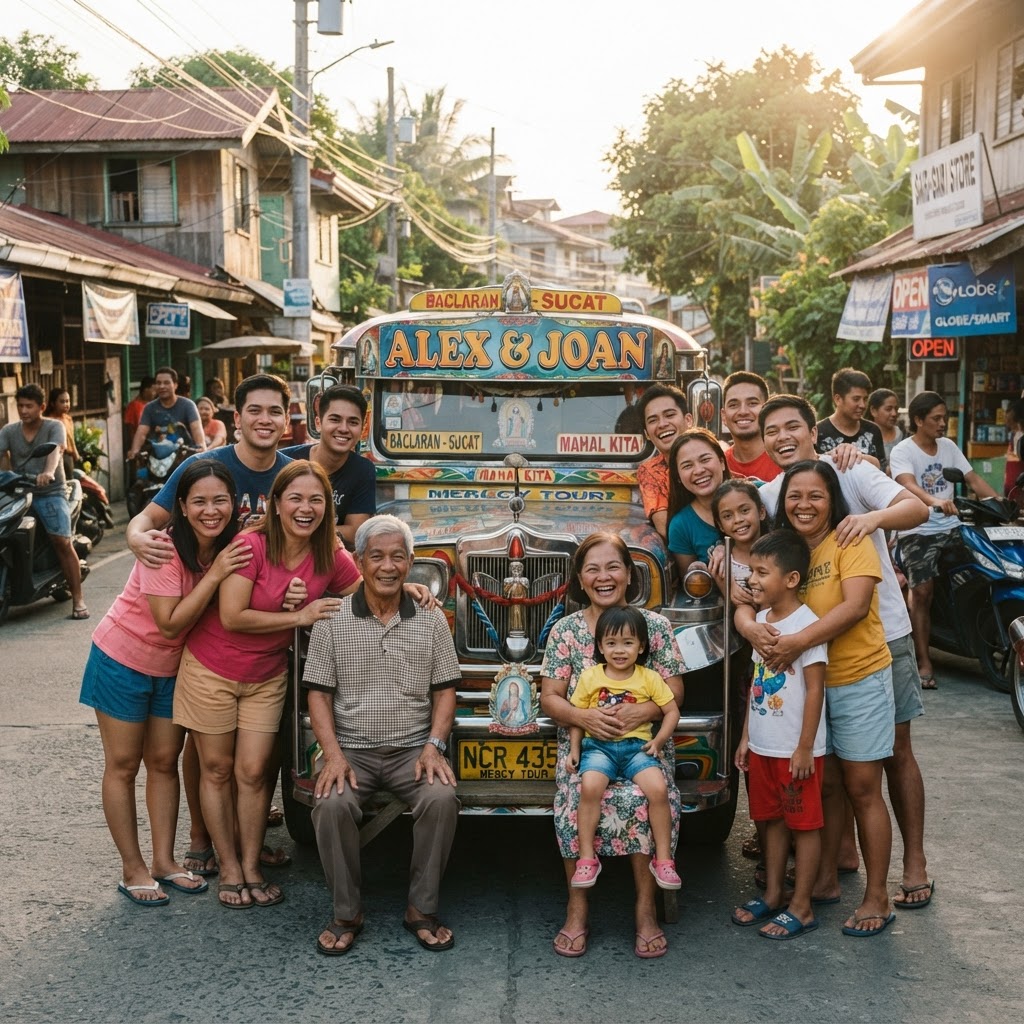
You will see it everywhere once you know the name. Barangays turn out in shifts to clean drainage canals before the rainy season. When a typhoon hits, relief goods are packed, loaded and distributed by volunteers from the same flooded streets they are trying to save. When a neighbor's child is hospitalized, Facebook fundraising posts circulate with the words donation drive and bayanihan side by side.
Schools teach it, companies build outreach programs around it, and celebrities are celebrated for living it — but at its root, bayanihan is just how Filipino neighborhoods have always worked.
Kain tayo: the invitation you can't refuse
The spirit has a smaller, funnier expression that every visitor meets. Walk past a Filipino family eating and someone will call out, Kain tayo! — Let's eat! It is not a literal dinner invitation. It is hospitality's reflex: no one eats alone while another person watches hungry.
Say salamat, hindi na po (thank you, no thanks) and you will be pressed again. If you truly must leave, break a little bread, accept a small plate, or take food to go. Declining twice is a compliment to the cook.
The bayanihan that crosses oceans
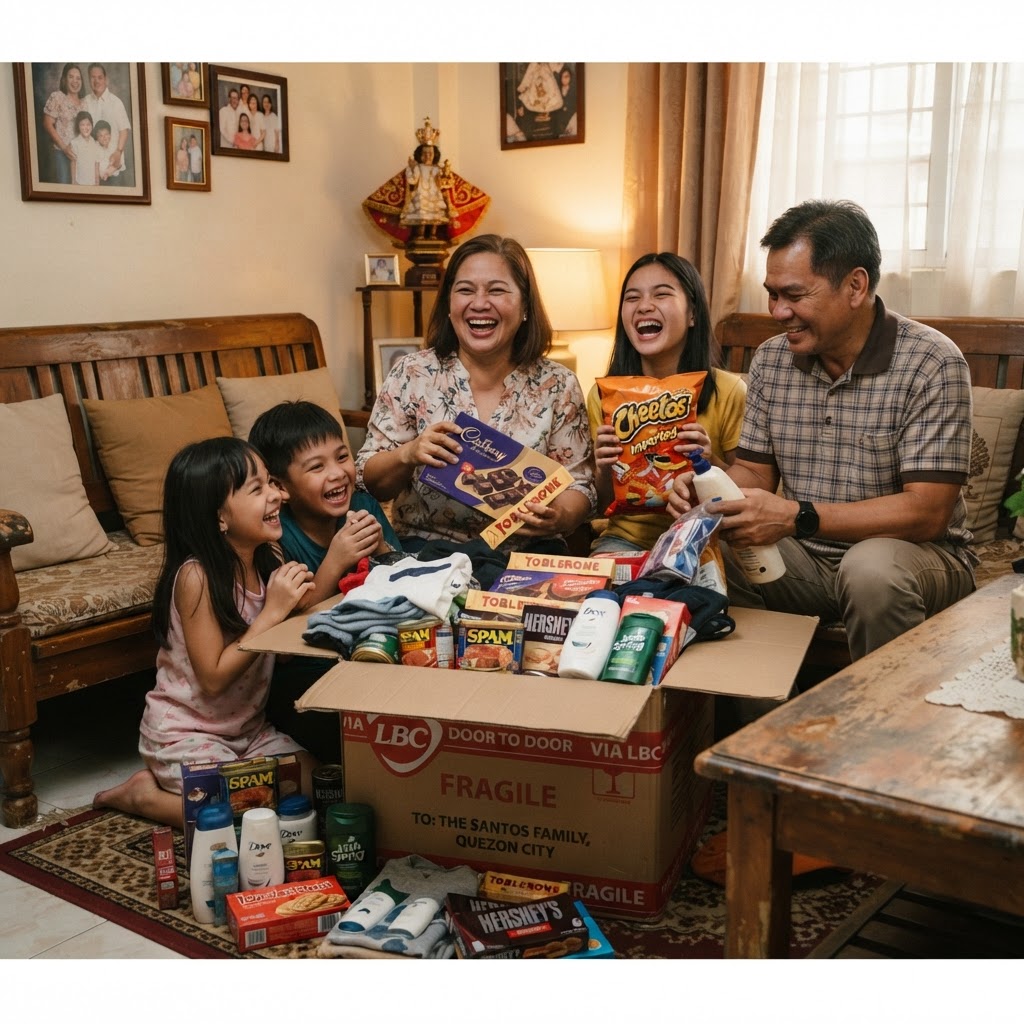
Ten million Filipinos live and work abroad, and they built bayanihan in miniature wherever they landed. Hometown associations in Hong Kong, Dubai, Toronto and Rome pool money for medical missions, rebuild classrooms after typhoons, and fund scholarships back in the barangay.
Ask an OFW about balikbayan season or a hometown fiesta fundraiser and you will hear the same principle in a new key: distance does not dissolve belonging. The house still gets carried — it just travels farther.