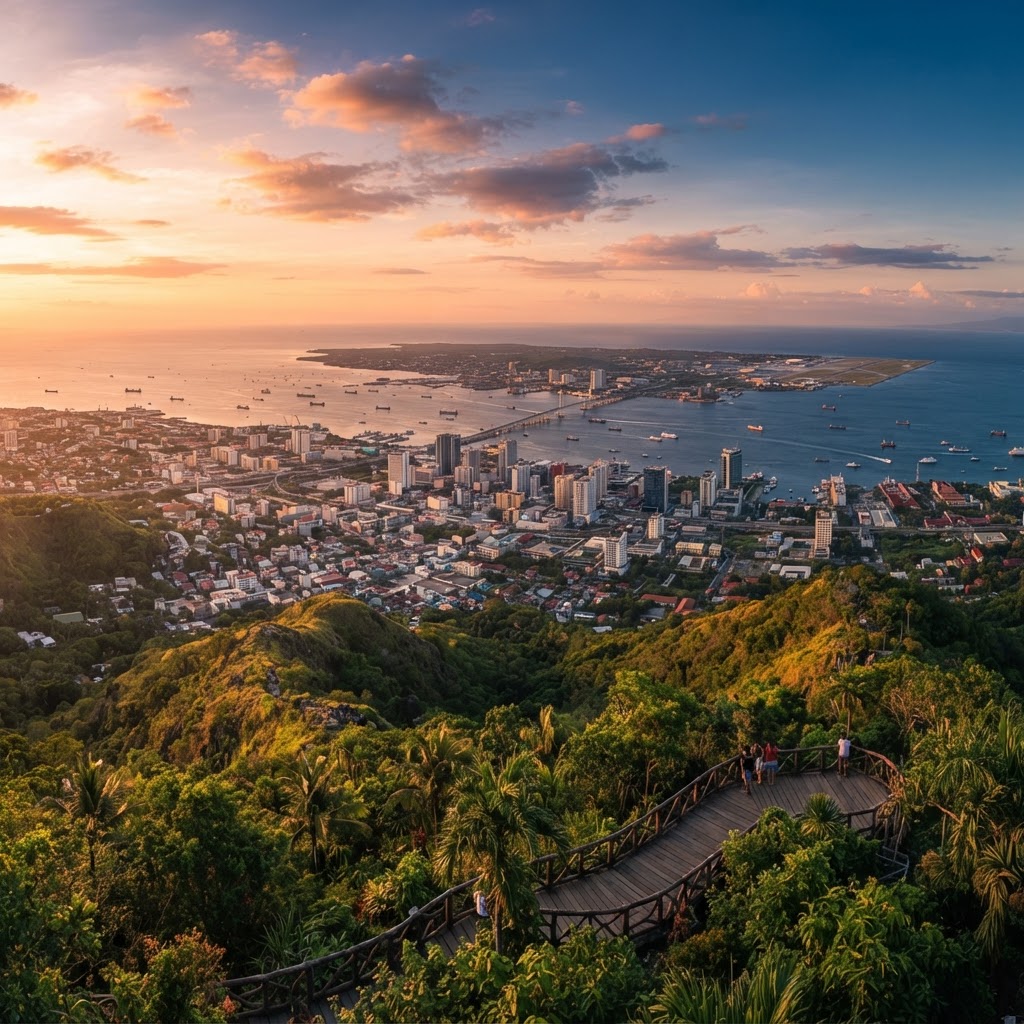
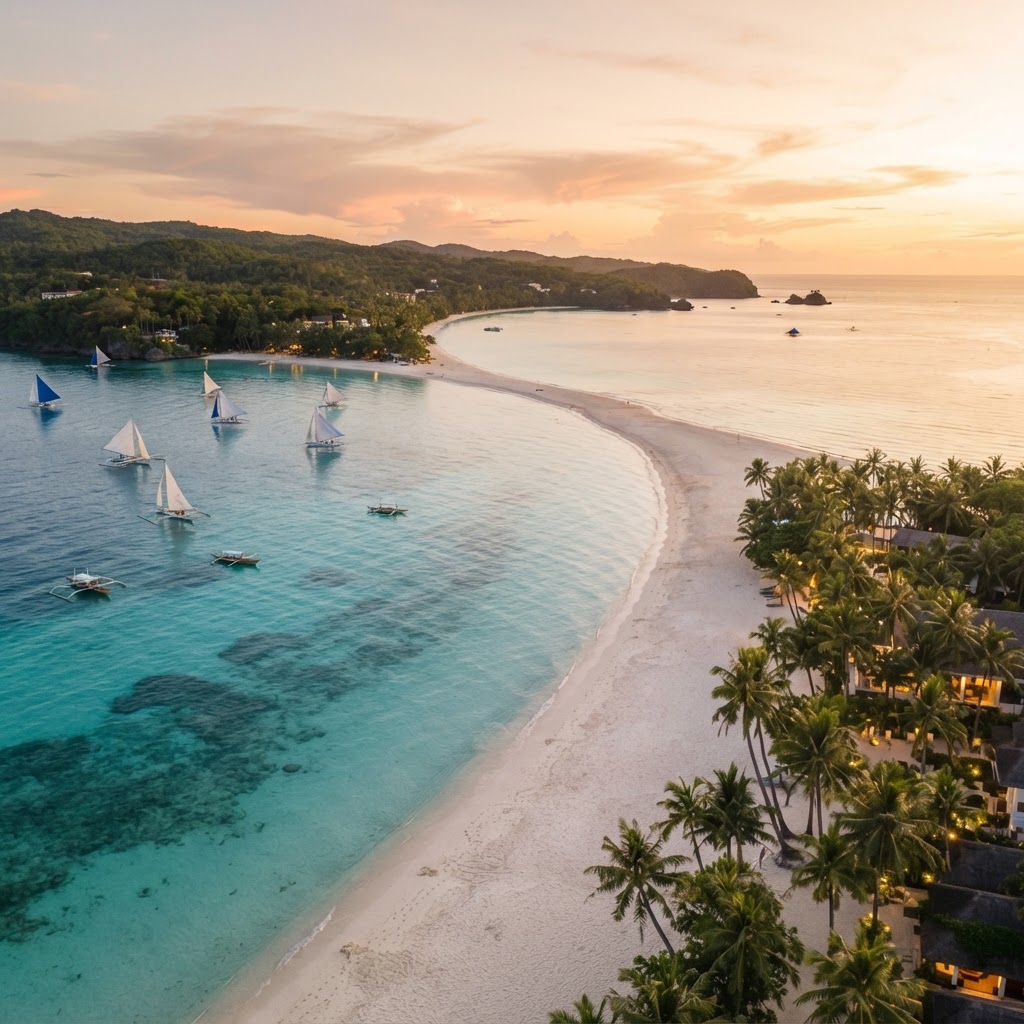
Cebu is one of the country's great travel crossroads. It combines a energetic, cosmopolitan city with centuries of history, resort beaches within sight of the skyline, and a long stretch of coast where waterfalls, reefs, and quiet islands unfold one after another.
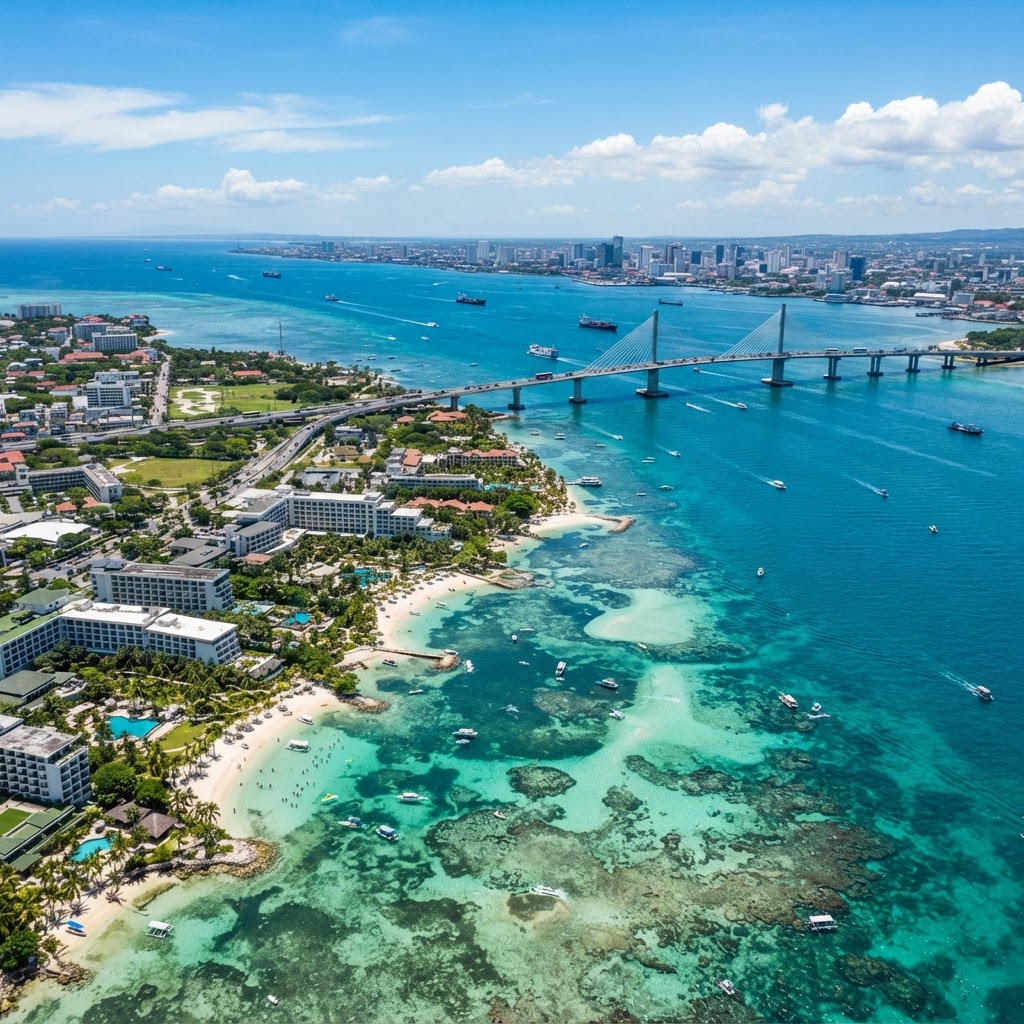
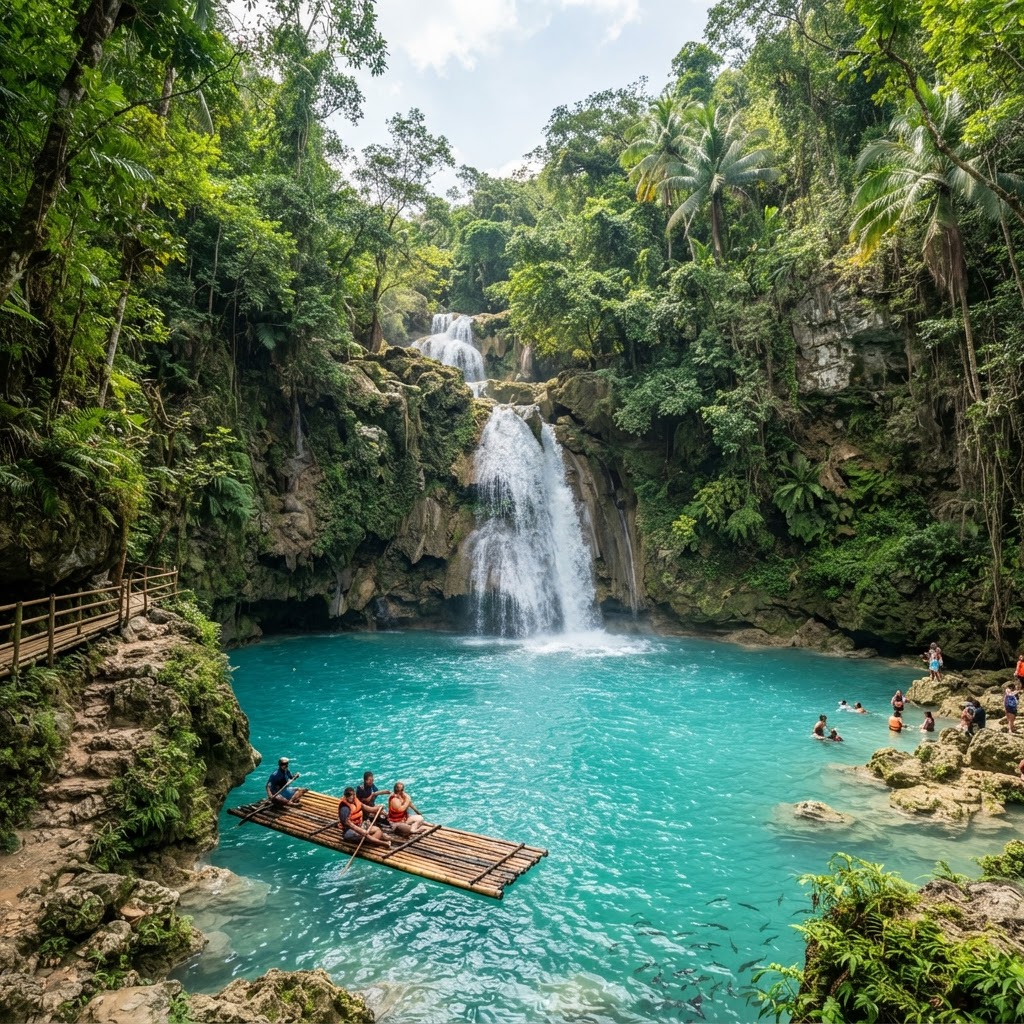
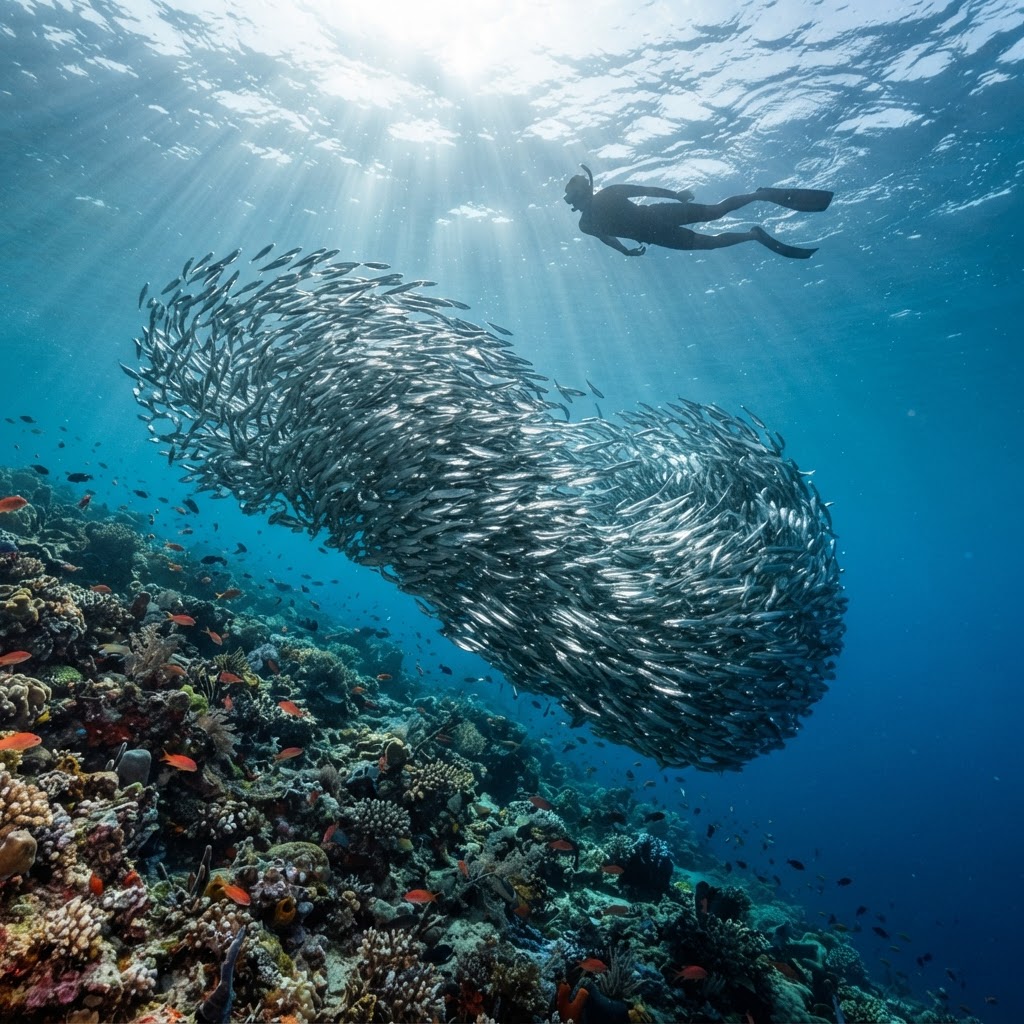
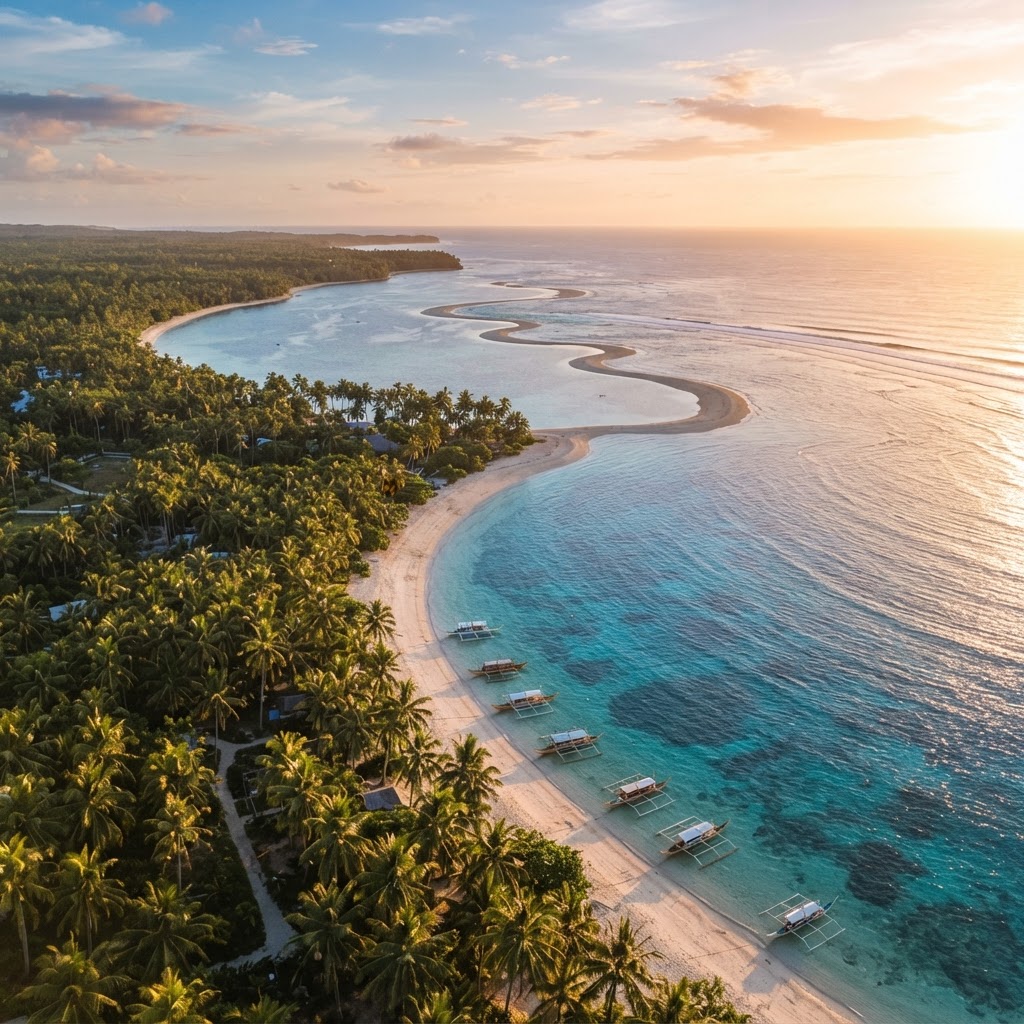
Geographically, Cebu is a long, narrow island province. Metro Cebu sits on the central east coast: Cebu City is the urban heart, while Mactan — a separate island linked by bridges, home to the airport and Lapu-Lapu City — is the beach-resort and dive base next door. The province then extends far in both directions, and the distinction matters. South of the metro lie the southwest-coast towns of Moalboal and Badian (reef snorkeling and waterfalls) and, on the southeast side, Oslob. To the north sit gateway towns for Bantayan Island, Malapascua Island, and the Camotes Islands across the Camotes Sea. Attractions in these areas are hours apart by road — they are not day trips from one another.
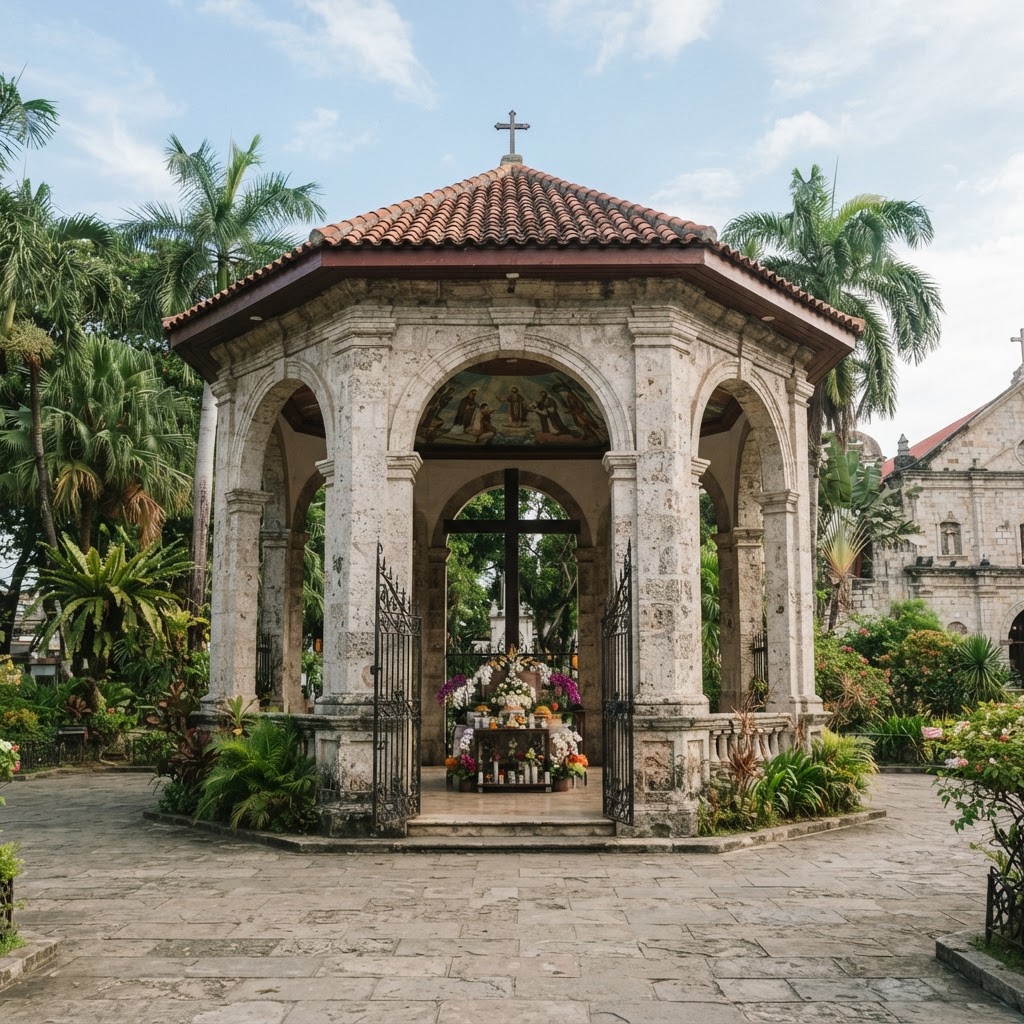
Cebu also holds a central place in Philippine history. The expedition of Ferdinand Magellan reached the island in 1521, planting a cross and presenting an image of the Child Jesus that remains venerated today in the Basilica del Santo Nino. Later that year, local forces under Lapu-Lapu defeated Magellan's party at the Battle of Mactan. The island's heritage quarter, its shrines, and the Sinulog festival held each January in honor of the Santo Nino all carry this living cultural thread.
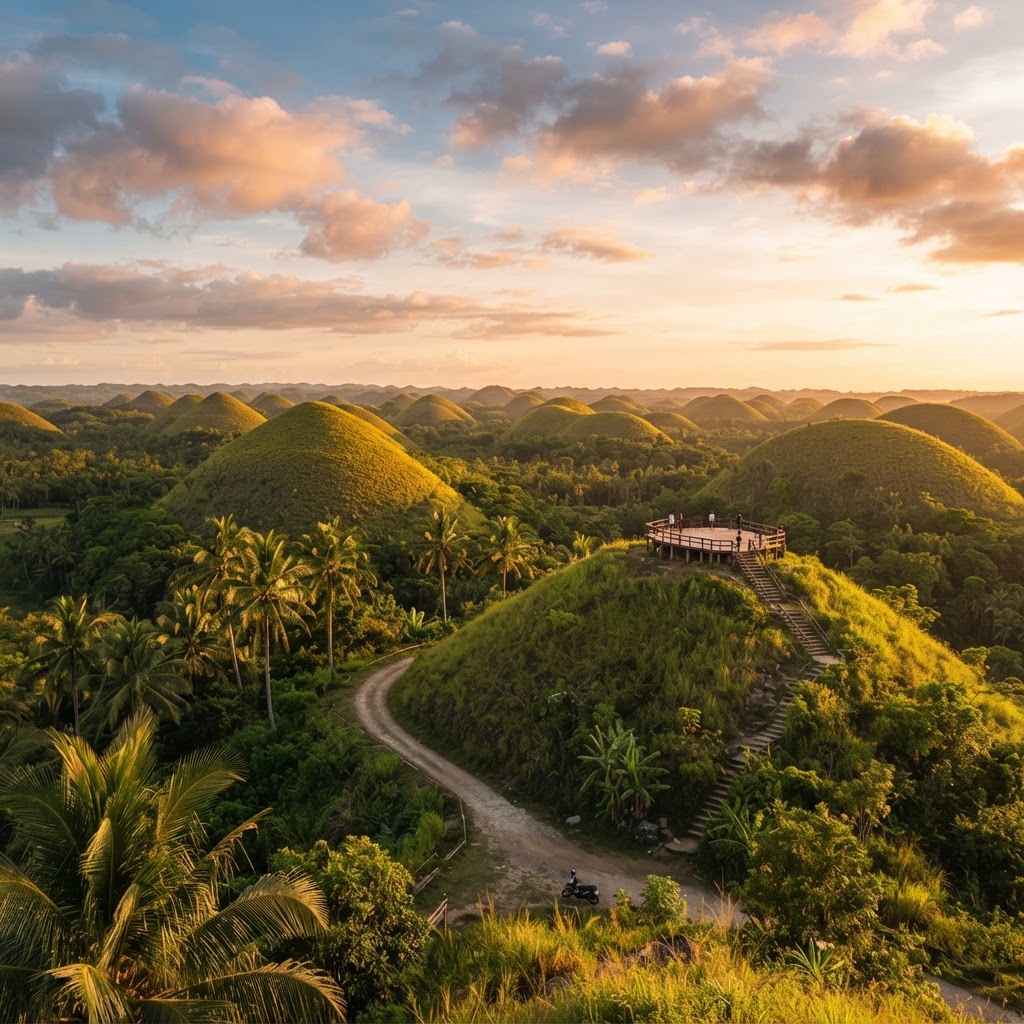
For travelers, the reward is range: heritage walks, a serious food scene, island-hopping, diving and snorkeling, jungle waterfalls, and mountain lookouts can all be combined within one province. The practical art of a Cebu trip is choosing a base — or two — that matches what you came for, rather than assuming one hotel covers everything.