The short answer
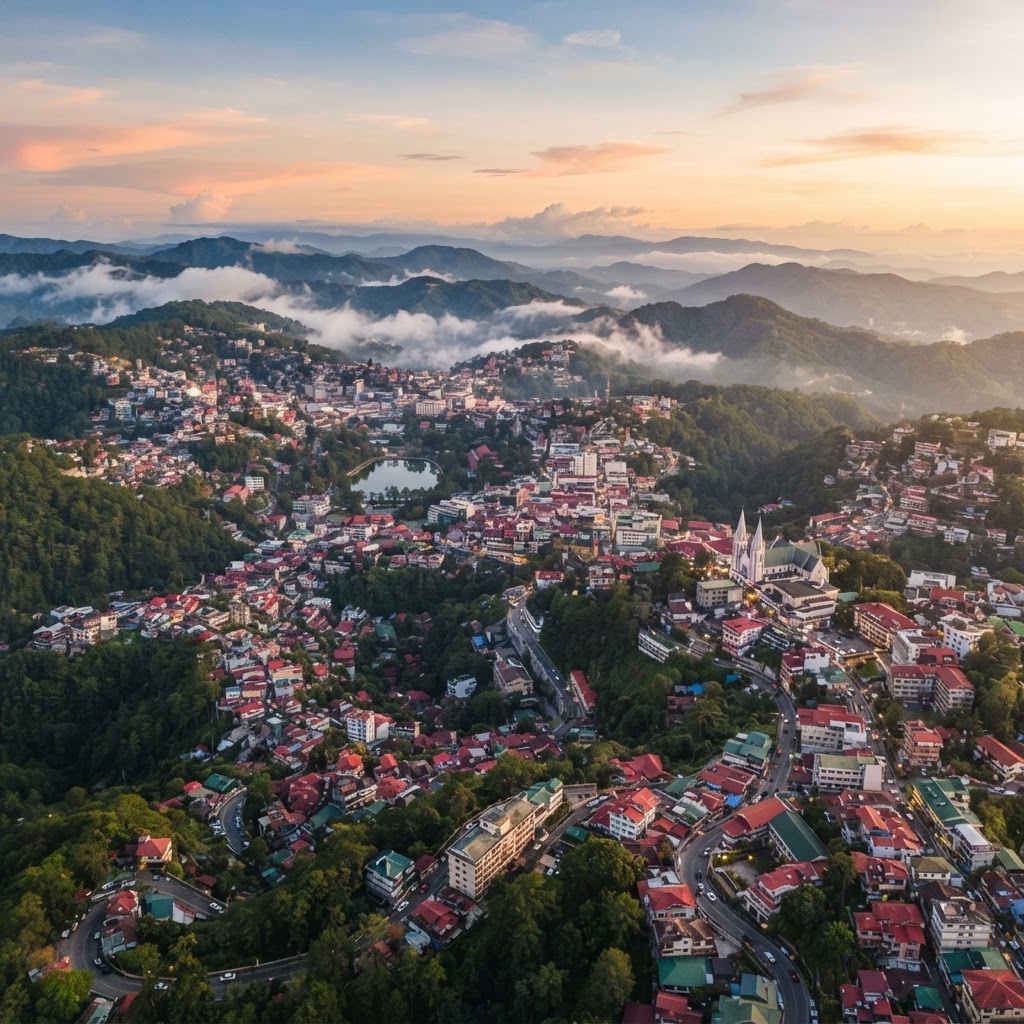
Baguio is a highland city in the Cordillera — the country's classic cool-weather escape, reached by a land journey from the Luzon lowlands. Plan around three things: the journey itself (which is a real part of the trip), the season (which drives crowds and weather), and your base (which decides how much of the city you can walk).
Getting there is part of the plan
Baguio is reached predominantly by land: buses and private vehicles climb from the lowlands via expressways and mountain roads, and travel times vary with traffic, season, weather, and road conditions. A flight into Manila does not include the onward land leg — bus departures don't align automatically with flight arrivals, so the land journey is a separate, substantial part of the plan. Baguio's own airport has seen limited, changeable scheduled service; validate its current relevance directly with carriers before planning around a flight.
When to go
The coolest, driest stretch typically falls from around November to February — peak season, with crowds and accommodation demand at their height and February's Panagbenga festival month bringing its own surge. March to May stays busy with the lowland summer escape; from roughly June to October, rains return and typhoon-season weather can affect the region. No month guarantees particular conditions — check advisories when planning.
Choosing your base
Central Baguio around Session Road is the most walkable base — downtown, the market, Burnham Park, and dining all close, at the cost of bustle. The Burnham vicinity is calmer but still central; Camp John Hay is pine-scented and resort-like, a short ride from the core; and the quieter ridge areas suit travelers with their own transport.
What to plan around
The city's core experiences are simple and pleasant: Burnham Park, Session Road's cafés and bookstores, the public market's highland produce and woven goods, Camp John Hay's pine-shaded walks, galleries and woodcarver and weaver workshops, and the viewpoint at Mines View Park. La Trinidad's strawberry farms — a separate town outside the city — make a classic nearby excursion. Entrance and environmental fees are commonly collected at parks and viewpoints; carry cash and confirm amounts on the day.
Packing and pacing
Pack layers and warm wear for cool evenings, especially November to February. Weekends, Philippine holidays, and festival weeks bring heavy traffic and full hotels — book ahead and consider arriving midweek. And engage respectfully with the Cordillera's many distinct Indigenous peoples and traditions: buy crafts directly from community weavers and carvers where possible, and never treat people or ceremonies as photo props.